URINARY SYSTEMS – All about urine
Water is essential for survival of life. The water we take washes and cleans our body and comes out as urine. Water usually is lost from our body through skin, lungs faeces and urine. Our body’s outer surface is kept clean by bathing with water and cleaning of inner organs and tissues are done by blood plasma by the process of osmosis or electrolyte transportation between tissues with our water intake. This blood plasma is filtered by kidneys and liver and kept clean and perfect. The waste product thus filtered out by the kidneys is urine. Drinking water and pissing (process of urination) is inevitable for every animal or human being. There is a saying that “we can well control our bouts of anger, but not the urine”. Everyone might have experienced the pleasure of passing urine after controlling it for a long time. Children do pissing as an art. A newborn has to urinate within 12 hours of the birth time or otherwise it should be seriously investigated. Urination is so much important for our body to maintain it clean and make it non-toxic. The digestive tract or stool habit can go on strike (without passing stool) for days, sometimes even for a week, but our kidneys cannot take rest even for a single day.
Urine can indicate
1. Urinary tract infection with lab analysis
2. Systemic illness with increased frequency and volume of the urine, such as renal excretory disorders, hypertension (in initial stage, by natural process, urination frequency and volume of urine is increased, so automatically blood volume as well as blood pressure gets lowered), anaemia,etc.
3. Metabolic disorders with increased frequency and volume of the urine with glucose (diabetes), increased elimination of fructose (fructosuria), uricosuria (gout), etc.
4. Pregnancy in women. It can also show adulteration in foods (food colours, presence of toxic substances, etc.), chemicals in water, etc. when analysed in a lab
5. It can also show the culprit or cheat who takes steroids in sports. Likewise, it can also help to identify persons who have ingested alcohol or drugs
Urine often cautions one about a disease in the early stages itself. If we do not take care, the disease will get rooted and expand leading to damage of the inner organs. Nowadays, everyone hears about old people or devotees or leaders or their followers or diseased people drinking their own urine to stay healthy or cure their problems. Is it needed for cleaning the bowels, as said by urine therapists? Does urine contain active ingredients or has medicinal values? What is urine? How it is formed? Why does it get eliminated? Does disease get reflected in urine? What are all the diseases or conditions that get reflected in urine? What is to be noted during urination? Someone complains about yellowish urine and someone else about hot urine. Does this denote body heat or is there any inference from it? How to test it? Why is urine analysed in a lab? We shall analyse these questions one by one.
What is urine? Urine is a body’s eliminating fluid which is supposed to be a waste product. It usually contains waste or excess materials from our body, toxic substances, etc. Its main constituent is water.
Normal composition of urine is water – 95 per cent, other major and common constituents are sodium – 0.4 per cent, ammonia – 0.05 per cent, phosphates – 0.6 per cent, urea – 2 percent, sulfate – 0.2 per cent and creatine, urobilinogen, casts, etc. in minute quantities. Normally, soluble substances are excreted in the urine.
How it is formed?
Urine is produced by the kidneys as a process of cleaning the blood and excreting the unwanted soluble waste products from the body. Millions of nephrons in the kidney filter out the waste products, toxins, excess water and mineral salts from the bloodstream. Kidney, the leader of water balance mechanism, eliminates nitrogenous wastes in a non-toxic concentrated form. To maintain fluid balance, it filters, cleans and purifies about 150-180 litres of blood and recycles it daily. The urine formed in the kidney is drained by ureter into the bladder for storage. The urethra brings out the urine from the bladder, when time and place permit. Urination is normally controlled by a reflex phenomenon with urinary sphincters.Since kidneys work as an eliminator and absorber with their permeability, they can also control the blood volume by adjusting urine volume to control blood pressure naturally. When there is dehydration, it reabsorbs the water from distal tubules and balances the blood volume. In case of hypertension or excess fluid intake, it eliminates the water and reduces blood volume and blood pressure. So, till the urine gets into the bladder from the kidney, it has control over urine in every aspect. The kidneys maintain blood acidity by excreting excessive alkaline salts for controlling infection in the blood. The action of the kidney is mainly controlled by endocrinal glands.
Why does it get eliminated?
Urine is eliminated because it is considered a waste product or an excess product. So, nature cares for its elimination, to avoid overdose or toxicity and compels the kidney to do the elimination process i.e. elimination of urine. In order to maintain blood acidity, excess alkaline salts are filtered in the kidney. The filtered product should be excreted anyway, so with the vehicle of water medium these salts are excreted in the urine.
Is it needed for cleaning the bowels, as said by urine therapists?
No, it is not necessary. The water we take is enough for the business in the bowels.
Does urine contain active ingredients or has any medicinal value?
No. Nothing has been proved like that till now. Since urine is decided as an unnecessary waste product by nature or the body, it gets eliminated from the body by or as natural process, so we do not need to recycle it for any purpose.
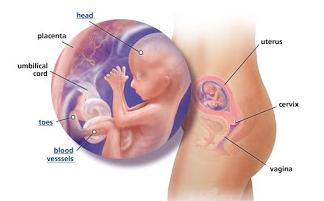
People who follow urine therapy mainly claim by quoting that the amniotic fluid that surrounds babies in the womb is supposed to be primarily the urine of the embryo which has quick healing effects on abrasions or bruises or cuts or any lesion, like sea water.
Till now, with active research, no medicinal value is evaluated as such.
Do diseases get reflected in urine?
Yes, most of the diseases in the initial or final period reflect their nature in colour, volume, sp gravity and contents of the urine. Most of the diseases of the bladder or urinary tract are often faced by women than men since the male urethra is 6-8 inches long whereas the female urethra is only 1½ inches long. So any infection can easily enter into the bladder and ascend to the kidney to disturb the urine and its constituents. Also the urethra of women is very close to the vagina, so any infection of one can spread to the other.
Diseases often reflect their occurrence or presence with the following symptoms or problems:
- Dark, scanty and strong smelling urine – in case of infection (cystitis- infection of the bladder, nephritis – infection of the kidney, urethritis – infection of the urethra, ureteritis – infection of ureter, etc.)
- Burning urination, difficulty in urination and painful urination – infection and obstruction
- Reduced volume (oliguria) – infection, obstruction, renal stones, kidney failure, etc.
- Increased volume of urine (polyuria) – hypertension, diabetes, nephrotic syndrome, intake of beer or alcohol or drugs, endocrinal disorders
- Absence of urine (anuria) – obstruction or kidney failure or stenosis
- Sweetish smell of urine or sugar in the urine (glycosuria) – diabetes, kidney damage due to drugs, toxins, etc.
- Offensive urine or proteins in the urine (proteinuria) – diabetes, kidney damage due to drugs, toxins, etc.
- Bloody urine (haematuria) – infection or renal stones
- Yellowish urine with bilirubin in the urine – liver disorder – jaundice, cirrhosis, etc.
- Semen in urine with great exhaustion (semonorrhoea) – prostate problems
- Backache early in the morning – infection, renal stones (due to fullness of kidney, pelvis)
- Urinary tract infection with Leucorrhoea in females – due to spread of infection into the urinary tract (honeymoon cystitis occurs in newly-married females due to overindulgence in sex)
- Fatigue and exhaustion – Renal problems when excreting needed constituent in urine
- Lower abdominal pain or supra pubic pain – due to infection or stones
What are the diseases or conditions that get reflected in urine?
Diabetes, hypertension, metabolic disorders, renal disorders, liver disorders, jaundice, urinary tract infection, high fever, etc., can reflect their presence in urine. Nervous disorders like paralysis, paraplegia, cerebral lesion & cerebellar lesion can hinder bladder emptying capacity and reflect in stagnation and infection. Conditions like increased sweat, summer, air-conditioned room, heavy exercises can also reflect in urine in its concentration and volume.
What is to be noted during urination?
Force, flow, frequency, control, volume, pain, colour, odour and gravels or deposits.
Force, flow, frequency and control of urine – Always talk to a doctor and get the urine analysed, if there is any intermittent flow, uncontrolled urine, difficulty in starting the urine stream, spraying of urine during urination, lack of a force in stream of urination, dribbling urination, slow thin stream of urination, etc. The common problems affecting force and flow of the urine are urinary tract infection, urinary obstruction, urethral stricture, phimosis, renal stone, congenital abnormalities like narrow urethral opening (meatal stenosis), etc.
Frequency of the urine is often found when there is increased intake of water or in diseased condition like diabetes, hypertension, etc. Small bladder and urinary tract infection can also cause frequency of the urine due to early fullness or irritability due to infection and a disability to hold the urine for a long time. Here also, there won’t be any satisfaction after passing the urine since the weak bladder cannot constrict fully to empty the urine. The stagnated urine further irritates the bladder and produces the impulse for urination and makes the person go to the toilet often. Urinary incontinence or uncontrollability can be seen in nervous affections like paralysis or paraplegia or autism or cerebral lesion or cerebellar lesion or spinal injury causing damage to spinal nerves. To treat these types of ailments, the complaints should be evaluated in a detailed manner to attain diagnosis and treatment. Anxiety and tension in mind also causes frequent urination due to increased blood circulation.
Normal volume of urine excreted is 800 ml – 2200 ml/24 hrs. It varies with the intake of the water or fluids. Urine volume normally reflects the organism hydration state. It is according to body activity or exercise, but usually ¾ th of the ingested liquid should be excreted as urine. It is mostly regulated by ADH (anti diuretic hormone). The increased amount of water intake will induce increased excretion of urine (polyuria). In case of increased water intake and increased urine elimination, the excreted urine will be very much diluted or has low concentration of solutes. In a dehydrated state or during diarrhoea or vomiting, the anti-diuretic hormone gets increased in circulation and increases the permeability of the renal collecting tibule epithelium, so that maximum amount of water is re-absorbed. Hence, urine formed in this occasion will be scanty and very much concentrated with solutes. The volume of urine usually increases in case of increased fluid intake, diabetes, hypertension (BP) and decreased in case of reduced fluid intake, low blood pressure, nephritis, fever, diarrhoea, vomiting, shock, burns, etc. The volume of the urine mainly depends on the presence of sodium, which in turn depends on aldosterone – a mineralocorticoid hormone secreted by the adrenal glands. Sodium holds water in plasma itself, so only in case of odema or hypertension doctors often advise reduced salt intake.
Colour – It is normally pale yellow or amber or clear depending upon a person’s health, water intake and diet. Even an uneducated man would get suspicious if there is any change in colour of the urine. Change in colour is mainly due to bilirubin. It may also change due to drugs, colours, dyes and chemicals used in sweets, foods, etc.
- Yellowish urine indicates presence of bilirubin (jaundice) or excess of vitamin-B
- Cloudy turbid urine always denotes infection and loads of bacteria
- Smoky urine indicates the presence of blood cells or any other chemicals
- Red or brown urine indicates the presence of blood (renal stones, infection, etc.)
- Whitish urine indicates the presence of phosphate of lime
Frothy urine is often passed in case of jaundice or renal damage. It indicates the presence of bile salts or albumin.
Odour – Urine mostly has the odour of ammonia, due to the nitrogenous wastes present in the urine. Aromatic foods can also affect the odour (large amount of asparagus intake can cause a putrid odour during urination). Urine may smell like sweet or fruit in case of diabetes and large amount of ketone bodies excretion. Usually, adult urine is smellier than children’s since adults take a higher protein diet. The bacteria present in the urine usually reduce nitrate to nitrite with the presence of ammonia in the urine. This gives it the smell. Normally, this bacterial action needs 4-5 hours to occur. So, morning urine or concentrated and stagnated urine is smellier than normal, frequently passed, diluted urine.
Gravels or deposits – are minute sediment particles present in the urine. They are noticed when the urine is much concentrated and are seen at the bottom of the sample or found like sand in the urine. They can be viewed easily after getting centrifuged in the lab. They are supposed to be coagulated protein casts, cell debris, RBCs, WBCs, bacteria, pus cells, tiny stone gravels, etc.
Somebody may often complain about yellowish urine and some others about very hot urine. What is the inference?
Actually, yellowish urine denotes its concentration. It is always seen in cases of scanty urine, especially after heavy exercises or long distance travel or sunbath. Urine is scanty and concentrated due to an alternative pathway of water elimination, i.e., through sweat, to maintain the thermostat of the body. If sweat is more, then urine will be concentrated more due to less availability of water to carry solutes. If water intake is increased, the concentration automatically gets diluted and the colour will resume to normal. But if you find yellowish urine even after plenty of water intake, it is better to rule out jaundice.
Usually, morning urine is more concentrated than at other times since we do not drinking water at night. So, to maintain the water balance of our body, less water is excreted and thus the urine becomes more concentrated.
Hot urine is a reflection of the body’s internal temperature, i.e., it is felt more during the cold weather (where the body maintains internal temperature as warm as it can) or after violent exercises (where the body temperature is high due to increased body metabolism).
How to test urine?
By urinalysis What for it should be analysed in the lab?
Urine tests are simplest, painless, cheapest, non-invasive and highly informative, which can guide treatment. In all urinalysis, normal value varies with age, sex, time, device used, solvents or kit used, analyser, sample collecting techniques (after fasting, before fasting, etc.), etc.
Even though urinalysis is mostly done in case of a urinary tract infection and renal complaints, it is necessary to do in all cases of prolonged complaints or diseases, to rule out any systemic complication. Also, it should be made part and parcel of routine periodic health examination to analyse our body condition.
How should urine be analysed?
For analysis, urine samples must be collected in a proper way, i.e. care must be taken in collecting the sample in a clean, fresh, sterilised bottle or container without any contamination. The best urine sample is midstream of first (morning) urine.
Most of the laboratories are now doing urine test and blood test with automated analyser which gives report in printed colour strip form. They measure everything electronically.
Investigations
Microscopic examination – urine should always be evaluated microscopically for the presence of casts, crystals, cells and bacteria.
Lab or chemical analysis of urine – is done for evaluating pH, specific gravity, sugar, albumin, ketone bodies, bile salts, pigments, blood, etc.
pH – (hydrogen ion concentration which helps in denoting acidity or alkalinity of the solution variation from 1-14 i.e. from most acid to most alkali). Urine is usually slightly acidic i.e. below 7 (indicated by blue litmus paper turning red on getting dipped) but normal range is between 5.5- 8.0. Occasionally, it becomes alkali (red litmus paper turns blue) during infection where pH is raised.
pH of urine in case of child – 6.2 – 6.8
pH of urine in case of adult – 5.2- 8.0
Specific gravity of the urine changes according to the volume of the urine and solute present in the urine. In case of reduced volume of the urine in normal excreting solutes, the sp gravity is raised; whereas in increased volume of urine with normal excreting solutes, it is lowered. Increased level of protein in the urine also elevates the sp gravity.
Humans are soft-skinned persons who sweat more to produce more hypertonic (highly concentrated) urine. Insects, spiders, reptiles, birds and other animals excrete less hypertonic urine since they have hard body protective surface or hair or feathers which usually protect loss of fluids from sweat. Fish and other water animals always pass hypotonic (less density) urine. Also, humans take a good amount of sodium salt in diet which will hold or retain water content in the body. The distal renal tibules in humans are also designed in such a way to reabsorb most of the water and salts to maintain our body water balance which causes urine to be more hypertonic.
Specific gravity normally ranges from – 1.001 – 1.035
Normal sp gravity of urine in children – 1.002
Normal sp gravity of urine in adult – 1.030
Sugar or glucose in urine – Glucose is always absorbed more rapidly than water. If there is excess glucose in the blood due to lack of insulin (which is essential for glucose metabolism in the body) or when there is kidney damage due to drugs or toxins, glucose can occur in urine (glycosuria). In this case, urine test for glucose should be done in 12 hours fasting time and also, after two hours of food intake (post prandial) to analyse it thoroughly. The presence of sugar is now analysed by two methods, i.e., one by old Benedict’s reagents and another by latest dipsticks. In case of Benedict’s test, if results shows
 Blue colour – Nil
 Green colour – + (0.1- 0.5 g/dl)
 Yellow colour – ++ (0.5- 1.0 g/dl)
 Orange colour – +++ (1.0- 1.5 g/dl)
 Brick red colour – ++++ (1.5- 2.0 g/dl)
Protein in urine (proteinuria) – Acceptable normal excretion range of protein in urine is below 0.15 gms/24 hours of urine. This occurs usually due to day-to-day activities or exercises where protein metabolism is used for energy. Proteins occur in urine in diseases like kidney disorders (nephrotic syndrome, renal failure, pyelonephritis, etc.) heart failure, gout, malignant hypertension, toxicity of high fever, drugs, eclampsia (convulsive disease due to high BP and proteinuria in pregnant women), etc. They usually appear as casts in urine, which can be confirmed by their coagulation or white precipitation while heating.
Albumin – Normal range of albumin in urine is <3.5mg/mmol. Test for Microalbuminuria (increased elimination of albumin) is most important test to be done in diabetic patients to rule out kidney involvement or damage. Since albumin level varies with day-to-day activities and exercises, it is better to test after overnight rest. It is often traced in cases of heart failure, renal failure, hypertension, urinary tract infection, etc.
Urea – is the end product of protein metabolism. A high protein diet will increase urea level (normal 20-40 mg /100ml) in blood and urine. It will be abnormally high in cases of kidney disorders (where there is defect in filtration and elimination) and diabetes (due to use of protein metabolism for energy since glucose metabolism is impaired). Normal acceptable range of urea in urine is 180-600mmol/24 hours.
Ketone bodies (Acetone) – normal level in urine is <500mg/24 hours – starvation and uncontrolled diabetes can elevate the levels.
Bile salts and bile pigments – give yellow colour to urine when they occur during jaundice
Urobilinogen – is excreted in increased amount in case of liver disorders.
Other normal levels
Sodium – 100 -200mmol / 24 hours
Potassium – 25 – 100mmol / 24 hours
Calcium level – 0 – 300 mg / 24 hours
Phosphates – 15 -50mmol / 24 hours
Urate 1.2 -3.0mmol / 24 hours
Copper – <.6micromol / 24 hours Pus cell and bacteria should be absent in urine. Their presence always indicates infection (pyelonephritis, urethratitis, uretitis, cystitis, etc.). If there are pus cells and bacteria, culture must be done to rule out infection. Pus cells can be easily identified after centrifuge and sedimentation.
Urine culture – Normally, kidney-filtered or bladder-stored urine is sterile. The small number of bacteria present in the urine while passed is due to contamination of bacterial flora in the urethra. If the result denotes more than 10,000 colonies of bacteria, then it is said to be confirmed bacterial infection or otherwise it may be due to urethral flora contamination. The common bacteria which infect are Coliforms, Enterococci, Gram negative rods, etc.
Bacteria will not sediment by centrifuge, so to identify it, culture or growth of bacteria in a medium is usually followed which can easily show the type of bacterial infection. Nowadays culture tests are done with sensitivity tests, so that the correct drug can be administered in the initial period itself.
Casts are coagulated proteins seen as sediments in urine, so proteinuria is the precursor of cast formation. The blood cells (RBCs & WBCs) and epithelial cells can get lodged to this and form erythrocyte casts, leucocyte casts and epithelial casts. In normal conditions, casts will not be seen in urine.
 Hyaline casts – are protein casts which occurs usually after violent exercises and also in case of chronic kidney failure
 Leucocytes casts occur after urinary tract infection
 Erythrocyte casts occur in hypertension, anaemia, renal stones, urinary tract infection etc.
 Epithelial casts show inflammation and degeneration of kidney
Crystal formation occurs in the urine when it gets supersaturated with the solutes. It can produce uroliathiasis: for example – stone formation from increased excretion of uric acid which may sediment and form crystals or stones. Likewise are the cystines and oxalates.
Round, brick red/orange sediment in the urine of children indicates Xanthine.
Pink or yellow colour crystals – cystines
Smooth and chalky – phosphates
Dark brown – oxalates
Red urine – The high intake of beetroot usually resemble blood in the urine; another factor which can mimic bloody urine is dyes and chemicals used in sweets. In diseased conditions, bloody urine (Haematuria) may occur due to infection or stones in kidney or bladder or ureter or urethra or due to infection of the prostate. Everyone should be ever careful if blood cells are present during urination since it indicates that the condition is serious. Most of the time, it is passed as microscopic haematuria (i.e. blood in the urine may not be visualised normally). But sometimes, in case of massive bleeding, urine appears as bloody or pinkish or smoky or deep brown, alarming the person. Even though we might pass 1-3 RBCs (red blood cells), elevated levels will usually indicate internal diseases or complications. The RBCs occur in the urine in abnormal conditions like kidney stones, cancer of the kidney or bladder or prostate, heavy urinary tract infection, sickle cell anaemia, etc.
Gravindex test for pregnancy – following a missed period, even within a week or so, pregnancy can be confirmed by detecting the presence of HCG (human chorionic gonadotrophin) in the urine. This lab test is now simplified by colour card test where everyone can use to test urine for pregnancy at home itself.
Even though urinalysis indicates a problem, finally to evaluate and analyse the effects and complication of the disease imaging studies like ultrasound scan, IVP, CT scan and MRI may be necessary to confirm and proceed to the treatment.
for new hope
Dr. S. Chidambaranathan, BHMS, MD (Homeo)
Laxmi Homeo Clinic
24 E. New Mahalipatti Road
Madurai, TN 625 001
India
Tel: +91-452-233-8833 | +91-984-319-1011 (Mob)
Fax: +91-452-233-0196
E-mail: drcheena@yahoo.com
www.drcheena.com / www.drcheena.in
(Disclaimer - The contents of this column are for informational purpose only. The content is not intended to be a substitute for professional healthcare advice, diagnosis, or treatment. Always seek the advice of healthcare professional for any health problem or medical condition.)