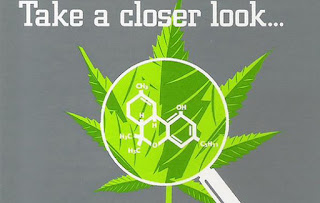
Today's post from sciencedaily.com (see link below) could be an astonishing breakthrough in the battle against neuropathic pain. It discusses research on certain compounds that can modify the brain's cannabis receptors to reduce chronic pain symptoms, without the need for cannabis itself, or strong opioid-type drugs and most importantly, without any side effects! The science in the second half of the article may leave you somewhat baffled but the message in the first half is easy to understand. What's ironic is that the current hysteria about opioid addiction and overdose deaths has been the trigger for this research. This reflects the current state of medical research: if there's enough demand (the 'disease' becomes widespread or the group of patients grows enormously) suddenly money appears for research and development. Never underestimate the pharmaceutical industry's ability to sniff out profits! That's not very encouraging for people with rare diseases or those who belong to a small group of patients but in our case, we have 20 million Americans with neuropathy and a media hype over opioid abuse and its consequences - a double stimulus to pour money into research. That's why we're suddenly seeing advances in research regarding nerve pain and its treatments, even if they are only tested on long-suffering rodents - it's about time!!
Compound suggests chronic pain treatment without opioid or medical marijuana side effects November 15, 2016 Source: Indiana University FULL STORY
Indiana University neuroscientist Andrea Hohmann took the stage at a press conference Nov. 14 in San Diego to discuss research conducted at IU that has found evidence that the brain's cannabis receptors may be used to treat chronic pain without the side effects associated with opioid-based pain relievers or medical marijuana.
The study was discussed during the annual meeting of the Society for Neuroscience, the world's largest source of emerging news about brain science and health. Hohmann was joined by three other international researchers whose work focuses on similar topics.
"The most exciting aspect of this research is the potential to produce the same therapeutic benefits as opioid-based pain relievers without side effects like addiction risk or increased tolerance over time," said Hohmann, a Linda and Jack Gill Chair of Neuroscience and professor in the IU Bloomington College of Arts and Sciences' Department of Psychological and Brain Sciences.
Chronic pain is estimated to affect nearly 50 million adults in the United States. The rise in opioid-based pain relievers to treat chronic pain has also contributed to an opioid addiction epidemic in the United States, with 19,000 deaths linked to prescription opioid abuse in 2014. In Indiana, the use of needles associated with prescription opioid abuse led to a major HIV outbreak in the state's southeastern region, prompting the governor to declare a public health emergency in 2015.
"The fact that deaths associated with prescription opioid abuse have surpassed cocaine and heroin overdose deaths combined is a significant factor in exploring cannabinoids as an alternative treatment for pain," said Richard Slivicki, a graduate student in Hohmann's lab who led the study. "It's a major epidemiological crisis, and one that helps motivate our work."
The IU study found that a compound that modulates the activity of the brain's receptors for THC and endocannabinoids reduced chronic pain in mice. THC, or tetrahydrocannabinol, is the main psychoactive ingredient in marijuana; endocannabinoids are natural pain-relieving compounds released by the brain.
These modulating compounds, called positive allosteric modulators, or PAMs, work by binding to a recently discovered site on a cannabinoid receptor in the brain called CB1, which is different from the site that binds THC. The PAMs were synthesized by Ganesh A. Thakur at Northeastern University, who is a collaborator on the study.
The IU scientists specifically tested the effects of CB1 PAM on neuropathic pain, a type of chronic pain caused by nerve damage, which is estimated to affect as many as 40 percent of cancer patients as a side effect of chemotherapy. The scientists gave mice paclitaxel, a chemotherapy drug known to damage nerves and cause pain, and then treated them with CB1 PAM.
After receiving paclitaxel, mice became hypersensitive to both mechanical and cold stimulations to the paw, indicating increased pain. After treatment with the CB1 PAM, the mice behaved like normal mice that did not experience pain.
The study also found evidence that the use of CB1 PAM amplified the therapeutic effect of endocannabinoids without the negative side effects of a "marijuana high," such as impaired motor function. The PAMs were administered in combination with a compound to increase endocannabinoid levels in the brain by preventing their breakdown in the body.
Moreover, the team found that the use of the CB1 PAM remained effective over time to prevent pain in mice, as opposed to THC and endocannabinoid breakdown inhibitors, both of which stopped working with repeated dosing.
"We found that the compound did not produce reward on its own, so it's unlikely that a CB1 PAM would be abused as a recreational drug," Hohmann added. "Our studies show that we can maintain or preserve therapeutic efficacy in ways that we haven't seen with some of the other classes of analgesics that are used in the clinic."
The event was titled "Targeting the Brain's Cannabinoid System." Story Source:
Materials provided by Indiana University. Note: Content may be edited for style and length.
Cite This Page: MLA APA Chicago
Indiana University. "Compound suggests chronic pain treatment without opioid or medical marijuana side effects." ScienceDaily. ScienceDaily, 15 November 2016. .
RELATED TOPICS Health & Medicine Pain Control Neuropathy Controlled Substances Mind & Brain Opium Marijuana Brain Injury
RELATED TERMS Opioid drug Chronic pain Aggression Cannabis Psychoactive drug Anticonvulsant https://www.sciencedaily.com/releases/2016/11/161115085503.htm
Today's post from crescolabs.com (see link below) is one about which many may comment: 'They would say that wouldn't they' because it comes from a medical cannabis company, promoting cannabis as a nerve pain reliever. There are also inaccuracies in the first two paragraphs that may put off the experienced neuropathy patient. However (and it's a big however) there is very little wrong with what is said in the article and the research is bearing this out all over the world on a monthly basis. Medical cannabis is a strong option if you want to avoid chemical pain killers, or have tried them all and very little works. It may be worth exploring, possibly in conjunction with your doctor, depending on his or her openness to the possibility because let's face it - sometimes you'll try anything to reduce the symptoms of neuropathy and medical marijuana is way more than its reputation as a recreational drug. Worth a read to help you make up your mind.
NEUROPATHY A Brief Description Cresco Labs 2016
Neuropathy, arguably one of the most painful sensations experienced by humans, occurs as a result of damage, dysfunction or injury to nerves. The two commonly diagnosed types of neuropathy — peripheral and diabetic — produce similar symptoms, but whereas peripheral is usually caused by injury, the diabetic counterpart is brought on by damage from high blood sugar. As a result of neuropathy, nerves essentially become confused and send false pain signals to the brain that are often described by patients as feeling of tingling and numbness, shooting and burning, or prickly pins and needles. Neuropathy patients, suffering from a condition that is often described as chronic, have limited treatment options with the most common being pharmaceutical pain killers.
Although opiates have been the most common treatment option in recent decades for the more than 380 million people suffering from neuropathy worldwide, the use of medical cannabis as a successful reliever of chronic pain has been highlighted again in recent years. Cannabis has been used to treat many different medical conditions —including several different types of pain — for centuries, and recent research and anecdotal evidence has brought it back to the forefront of neuropathic pain treatments.
How Can Cannabis Help?
Cannabinoids, the organic chemical compounds possessing much of the healing powers of medical cannabis, bind to the same endocannabinoid receptors throughout the body and brain that are responsible the regulation of several physiological body systems, including pain, mood, memory and appetite. While pharmaceuticals are also designed to react with the same receptors, they rarely bind as naturally as the cannabinoids in medical cannabis. This is why medical cannabis is such an effective treatment option for conditions that may otherwise be difficult to treat, like neuropathy. Where pharmaceutical therapies may not provide enough symptom relief to outweigh the negative side effects and potentials for addiction, cannabis can often react with the body’s receptors more efficiently and without risk of life-threatening addiction.
Multiple research studies reveal that cannabis is often a preferred method of symptom relief for neuropathy patients because it is effective, even to those who have not responded to pharmaceutical therapies, and the psychoactive side effects are not as debilitating as those presented by opiates. Several medical cannabinoids are known to treat individual symptoms like pain, anxiety, inflammation, sleep deprivation and mood disorders. While those single cannabinoid therapies are extremely successful, as highlighted by the pure CBD oils that are significantly reducing the severity and duration of many children suffering from severe forms of epilepsy, when multiple cannabinoids work together in a process called the entourage effect, the medical efficacy can increase dramatically.
The success of the entourage effect is demonstrated in the use of medical cannabis to treat neuropathic pain. THC, the most abundant psychoactive cannabinoid, has proven to be an extremely effective analgesic (pain reliever), and is also helpful in the treatment of the depression that can often accompany chronic pain conditions like neuropathy. Unlike THC, CBD is a non-psychoactive reliever of inflammation and pain. Research has linked the inflammation-reducing characteristics of CBD, and it’s ability to eliminate excessive immune-related oxidative stress in order to allow the body to better heal itself, to significant symptom reduction in neuropathy patients. Another medical cannabinoid, CBC, displays sedative properties that are known to help those suffering from pain get some much coveted rest.
What Does The Research Say?
As with other conditions, there is a countless amount of anecdotal research that has proven the pain relieving efficacy of cannabis – going back to the beginning of documented cannabis use over 5,000 years ago, pain relief has been a consistent physiological effect seen from cannabis use. The experience of the leading medical experts has revealed that medical cannabis can be used to safely and effectively treat a wide variety of medical conditions, including pain, and it is often a successful therapy option when nothing else works. Where neuropathic pain can be resistant to pharmaceutical therapies, even very low doses of medical cannabis have shown to effectively reduce symptoms, and experts report that the benefits of medical cannabis far outweigh the risks.
A study released in 2011 from the scientific journal for Clinical Pharmacology & Therapeutics found that the combination of cannabis with opiates may have a synergistic effect. When patients received regular doses of cannabis along with their twice-daily doses of prescribed opioids, on average participants reported a 27 percent greater decrease in pain.
An article published in the AMA Journal of Ethics analyzed several of the studies available. The Center for Medicinal Cannabis Research (CMCR) at the University of California complete five placebo-controlled phase II clinical trials with cannabis. Another study reported from Canada studied patients with HIV neuropathy and other neuropathic conditions, and one study focused on a human model of neuropathic pain. Overall, the efficacy of cannabis was comparable to that of traditional medications prescribed for neuropathic pain. The article concluded that there is increasing evidence that cannabis may represent a useful alternative or adjunct in the management of painful peripheral neuropathy. Is Cannabis As Safe As Traditional Prescription Medicine?
One of the most important aspects of using medical cannabis in lieu of opiates for the treatment of pain is directly tied to the comparable risks for lethal overdose – as you’ll see below, the statistics and facts are compelling. Opiates: According to the Centers for Disease Control and Prevention (CDC), since 1999 the amount of prescription painkillers prescribed and sold in the U.S. has nearly quadrupled. Every day in the U.S. 44 people die as a result of prescription opioid overdose. Drug overdose was the leading cause of injury death in 2013 – among people 25 to 64 years old, drug overdose caused more deaths than motor vehicle traffic crashes. Of the 22,767 deaths related to prescription drug overdose, approximately 16,235 involved prescription opioid painkillers (71.3%). In 2007, the aggregate cost of prescription opioid abuse (lost productivity, healthcare costs and criminal justice cost) totaled $55.7 billion.
Cannabis:
In 1988, Drug Enforcement Agency (DEA) Administrative law Judge Francis L. Young, Docket No. 86-22 found the following facts to be uncontroverted: There is no record in the extensive medical literature describing a proven, documented cannabis-induced fatality. Despite a long history of use and the extraordinarily high numbers of social smokers, there are simply no credible medical reports to suggest that consuming marijuana has caused a single death. Drugs used in medicine are routinely given what is called an LD-50. This rating indicates at what dosage fifty percent of test animals receiving a drug will die as a result of drug induced toxicity. The LD-50 rating for aspirin is 1:20. In layman’s terms this means that if the recommended dosage of aspirin is two pills, in order to induce death a person would need to consume 40 pills (20xs the recommended dosage). For valium it’s 1:10 and for some cancer medications it can be as low as 1:1.5. In strict medical terms, marijuana is far safer than many foods we commonly consume.
Links To Research
Cannabidiol as an emergent therapeutic strategy for lessening the impact of inflammation on oxidative stress.
Read Study
Cannabidiol for neurodegenerative disorders: important new clinical applications for this phytocannabinoid?
Read Study
Non-psychoactive cannabinoids modulate the descending pathway of antinociception in anaesthetized rats through several mechanisms of action.
Read Study
While research has shown cannabis to be effective in providing palliative and therapeutic effects for some patients, always seek the advice of your physician or other qualified health provider with any questions you may have regarding a medical condition and before starting any new treatment utilizing medical cannabis or discontinuing an existing treatment. The content on this site is not intended to be a substitute for professional medical advice, diagnosis or treatment.
Today's two YouTube videos presented by Dr. Donald Abrams, are pretty much a follow-up to yesterday's post and are directed at people living with both HIV and neuropathy. They set about justifying the use of medical marijuana to relieve nerve pain. The first video concentrates on Dr Abram's experiences of medical cannabis and HIV/Aids wasting syndrome and serves more as a background to the Part Two video. The second video, talks about how he discovered the benefits of cannabis for people living with both HIV and neuropathy. The transcripts are shown below each video.
Dr. Donald Abrams Tells Us How Medical Marijuana Helps AIDS Patients - Pt 1
Transcription There are patients able to overcome their nausea and vomiting from their chemotherapy and perhaps even be cured of these malignancies by using cannabis. But what really started me in my research was in my work with HIV AIDS patients. Again seeing them being eaten alive if you will by the AIDS wasting syndrome, which was a common sort of end of life phenomenon that we had before we discovered effective anti retroviral drugs and about the time Delta-9 THC was approved, thats the drug durnabinol or marinol, for treatment for this wasting syndrome in HIV patients. We began to hear from these patients that they actually preferred smoking the cannabis because of their ability to titrate the effect better than swallowing a pill. We know now that cannabis taken by mouth either as baked product or the medication Delta-9 THC has much different absorbs ion and kinetics. It takes a much longer time to reach a much lower peak and then it stays in the system for quite a while. Whereas when it is inhaled, either smoked or vaporized, the peak plasma concentration is actually reached in about 2 minutes and then falls over the next 30 minutes. So the effect happens more rapidly and perhaps dissipates more rapidly. When taken by mouth, the Delta-9 THC, then main psychoactive component is metabolized in the liver to a 11 hydroxy form that is also psychoactive. So when eaten as either a baked product or as the pill the Delta-9 THC creates this psychoactive metabolite that makes people have even more of a psychoactive effect that when it is smoked. And for many patients this is unpleasant. So in 1992 I was challenged, if I may, to study smoked marijuana in patients with the Aids wasting syndrome and to compare it to marinol or durabinol which had been just approved for that indication. And that began a bit of a sort of struggle with our government to be able to conduct a clinical trial. But ultimately after a number of years we did get a million dollars and 1400 government cannabis cigarettes to do a clinical trial. It wasnt any more in patients with the AIDS wasting syndrome, because by this time we had effective anti-retroviral drugs and that syndrome had disappeared. And with the national institute on drug abuse they have actually a congressional mandate that they can only study substances of abuse as substances of abuse. So they were never going to allow me or to give me marijuana to study as a possible therapeutic agent. The study I ultimately got funded for was to study whether or not it was safe. For patients with HIV on the new potent anti-retroviral regimes to use cannabis. Because there had been a report in the literature of a patient using ecstasy or MDMA and dying from an overdose of ecstasy when taken with these antiviral drugs. So the question I posed and the government allowed me investigate, was is it safe for patients on the anti-retroviral drugs to smoke cannabis or to take the cannabis pill while they were taking the protease inhibitors.
Dr. Donald Abrams Tells Us How Medical Marijuana Helps AIDS Patients - Pt 2
Uploaded on 5 May 2010
Transcription So we did that study, and we showed that there was no damage to the level of the aids drug in the blood stream to the patients immune system or to the level of the virus in their blood stream over 21 days of smoking a government cigarette 3 times a day. And that led us then to move on and do other research looking to see if whether or not cannabis had any medicinal benefit for patients with HIV. Particularly we were fortunate in California when we had a budget surplus that one of our state senators established a center for medicinal cannabis research at the university of California. And that center worked out a deal with NIDA so that NIDA the only legal source of marijuana for research in the country would supply investigators who had been favorably peer reviewed by the University of California Center for Medicinal Cannabis Research to do clinical trials looking at the effectiveness of smoked marijuana. So I submitted a study to look at marijuana in patients with the painful HIV related peripheral neuropathy, which is the damage to the nerves in the hands and feet. For which we really didnt have any treatment. Opioid analgesics dont work well. We tried acupuncture. Most people use anti seizure medications. And these also could interact with the levels of the aids drugs. So we proposed a study to see if smoked cannabis could alleviate the pain of this peripheral neuropathy and ultimately we wound up doing a placebo-controlled trial where 25 patients smoked real cannabis from the government and 25 smoked cannabis that had the active ingredient had been extracted. And we showed the group that smoking the real cannabis had a decrease not only in their peripheral neuropathy pain in an experimental pain that we created in the patients by heating their skin to 104 degrees and then applying caparison cream on top of their skin. So that study funded by the Center for Medicinal Cannabis Research actually was the one of the first modern studies to be done that showed in a randomized placebo control fashion that cannabis does have a medicinal use and that is for treatment of HIV related peripheral neuropathy. And when we looked at our results the effectiveness of cannabis in that situation is comparable to the effectiveness of the drug that is most commonly used the anti seizure medications. Now do I think the government will change cannabiss schedule 1 classification which means it has no accepted medical use, on the basis of a study of 25 patients smoking cannabis and 25 smoking placebo. No, I think I have been around long enough to know thats not gonna do it. https://www.youtube.com/watch?v=oAOGESbo22k and https://www.youtube.com/watch?v=Qfs6RMFYBec
Today's post from whaxy.com (see link below) returns to a common theme on this blog and that is the potential cannabis has for relieving nerve pain. It's not that we are for or against cannabis, it's just that cannabis remains one of the very few proven treatments for dulling nerve pain and for that reason, deserves the best research and trustworthy conclusions. Not only that but the moral (but non-scientific) objections to cannabis form a considerable barrier to making progress with its development as a truly useful analgesic for neuropathy sufferers. This article is easy to follow and gives a breakdown of what it is, how it works and why it's so effective. Definitely worth a read.
Study Reveals Cannabis Significantly Reduces Neuropathic Pain By Marie Veksler February 14, 2015
A study published in the The Journal of Pain: Official Journal of the American Pain Society found that low-doses of vaporized cannabis provide significant improvement for neuropathic pain sufferers. The study, a double-blind crossover, was placebo-controlled, and tested the efficacy of cannabis to treat the neuropathic pain of patients who were not responding to traditional treatments.
In the study, patients with central and peripheral neuropathic pain were administered either a medium-dose of 3.53 percent, a low-dose of 1.29 percent, or a placebo through vaporizing. Each patients’ pain was then rated using a visual analog scale of intensity. Psychoactive side effects and brain function were also monitored and evaluated throughout the study.
Analyzed results revealed that the cannabis provided at least the equivalent pain reduction as other patients reported from using traditional neuropathic pain medication. The low-dose (1.29%) and medium-dose (3.53%) were equally as effective, proving that even the lower dose of cannabis improved symptoms.
As a result, the study revealed that “even at low doses, [cannabis] may present an effective option for patients with treatment-resistant neuropathic pain.” The study conclusion also stated that “one might not anticipate a significant impact on daily functioning.” What is neuropathic pain?
Neuropathic pain is the result of nerve damage to the peripheral nervous system, which includes all nerves outside of the brain and spinal cord. It is usually described by patients as chronic. The damaged nerves send incorrect signals to the body that there is pain. The damage to nerve fibers is most often the result of a tissue injury caused by trauma or infection. Patients describe this kind of pain as “shooting and burning” or “tingling and numbness.” What causes neuropathic pain?
The one, specific cause of neuropathic pain is often unknown unless it is the result of amputation (phantom limb syndrome). However, people diagnosed as suffering from neuropathic pain often also had or have one or more of the following: Diabetes Alcoholism Back, leg, and hip problems Chemotherapy Facial nerve problems HIV infection or AIDS Multiple sclerosis Shingles Spine surgery Why is cannabis effective as a neuropathic pain reliever?
Cannabis is made up of many, diverse chemical compounds known as cannabinoids. There are more than 60 cannabinoids found in marijuana that we know to exist, and each of them reacts differently in the human body and produces different responses. Cannabinoids are responsible for producing all of the effects experienced when using cannabis.
Unfortunately, we know very little about most of them because researchers have difficulty gaining access to cannabis to study because of it’s current listing as a Schedule I substance under the Controlled Substances Act of 1970. Being listed as a Schedule I, deemed the worst of the five categories, means that it has “no accepted medical value in the United States.” Because of this, researchers are rarely granted federal permission to study it.
Scientists have been able to identify the most common medicinal benefits produced by only seven different cannabinoids. Four of those seven are known to be analgesic, or pain relieving. The four known to act as strong pain relievers are: Tetrahydrocannabinol (THC) Cannabidiol (CBD) Cannabichromene (CBC) Cannabinol (CBN)
Another reason that many patients report having a preference to medical marijuana is because the side-effects produced by cannabis, including those that are psychoactive, are less debilitating than those produced by many of the strong opiod pain reliving pharmaceuticals like Oxycontin.
Such heavy-hitting pharmaceuticals make it difficult for patients to function during normal day-to-day activities, and can cause serious addiction or result in accidental overdoses and deaths. A cannabis overdose has never resulted in the death of a person. A recent report even revealed that opiod overdoses were reduced by 25 percent in states where medical marijuana is legal because patients in those states were more likely to use cannabis.
Although much more research needs to be completed on this topic to make any certain conclusions, there is at least enough evidence to prove that cannabis as a viable treatment option for neuropathic pain should be explored further.
Today's post from cornerstonecollective.com (see link below) talks about the usefulness of cannabis in reducing nerve pain. It's been a while since the last cannabis post on this blog but it remains one of the proven aids to reducing neuropathic pain and deserves regular attention. This excellent article is another one that goes into some detail as to how cannabis works in inhibiting neuropathic pain. It's interesting to note that many articles about cannabis as an analgesic, are better-researched, better-written and much more detailed than their counterparts about main-line drug strategies. The reason for this may be that cannabis is such a controversial and potentially divisive issue - articles need to be properly grounded in fact and most of them are. There are more articles to be found in the alphabetical list to the right of this blog. This one is definitely worth a read.
Managing Neuropathic Pain with Cannabis 7th October 2014 No Author named Chronic neuropathic pain affects between 1% and 2% of all adults, which means that you’ve likely encountered someone suffering from neuropathic pain or experienced it directly. As would be expected from the sheer prevalence, there are many causes for such pain, ranging from illness, such as diabetes, to specific events of trauma, such as car accidents or work injuries. Traditionally, neuropathic pain has been considered “refractory” to treatment options, meaning that it is difficult to manage consistently and effectively. However, new research has pointed to cannabis as a viable option for treatment of neuropathic pain.
As has been the basis of many of the therapeutic effects of cannabis, the anti-inflammatory properties of cannabis are likely responsible for the observation of cannabis use reducing neuropathic pain. Although the specific mechanisms of neuropathy are poorly understood, it is speculated that glial cells, which are the immune system enforcers of the brain and spinal cord, are not functioning properly or are overcompensating for injury by over-producing inflammatory mediators such as interleukin-1beta. It is also known that the endocannabinoid system is capable of regulating and signalling production of this very molecule, as well as other inflammatory molecules, which draws an obvious link between cannabis consumption and neuropathy.
However, while the specific mechanism of action is not mapped, researchers are continuing with the testing of cannabinoids in models of neuropathy. One particularly comprehensive study from the University of Calgary focused on neuropathy stemming from diabetes, which is a common side effect of the illness (50% of diabetes patients suffer neuropathic pain). In this study, researchers used rodents with artificially induced diabetes and subsequent neuropathy. Once diabetes was confirmed, researchers then tested application of both cannabinoid receptor agonists (drugs which activate cannabinoid receptors) as well as cannabinoid receptor antagonists (which block receptor activation) and then ran various tests on the rodents to evaluate pain. Two common indicators of neuropathic pain are pain due to stimulus that would not normally produce pain as well as over-sensitivity to temperature, both experienced by diabetes patients. To quantify these experiences for the rodents, researchers used both a metal rod prodding test (that measured the force necessary for the rod to cause discomfort and force the rodent to move) as well as a thermal test which heated the rodents paws and recorded exposure time necessary to cause the rodent to move its paws. Rodents suffering from pain will consistently react more quickly than those un-pained by the prod or heat being applied.
The results to this study showed great promise; both major types of cannabinoid receptor agonists were shown to ameliorate hypersensitivity to mechanical or thermal stimulus. As seen in the accompanying graphs, higher doses of cannabinoid receptor agonists also corresponded to increased effectiveness in muting pain when administered both nasally and intravenously.
Regardless of how these agonists enter the body of the rodent, they are effective at reducing pain commonly associated with neuropathy and specifically neuropathy resulting from diabetes. As it turned out, receptor antagonists seemed to have no effect at all in any trial, further implicating that activation of these specific cannabinoid receptors is responsible for the changes in pain threshold observed. However, not content to stop at this stage, researchers also performed surgical dissections to analyze the accumulation of microglia in the spinal cord and in the thalamic part of the brain. Upon doing this, the study found that cannabidiol (CBD) was capable of reducing the accumulation of microglia in these areas, even after administration had ceased.
As it turns out, a study from the University of Milano-Bicocca performed a similar experiment two years prior, with many of the same design considerations. Although this study was much less broad and objective, the results mirror those observed from the Calgary group, with additional focus given to the effect of CBD on Nerve Growth Factor (NGF), since many of the neurons that transmit pain are supported by NGF. Not surprisingly, patients with diabetes are known to have consistently lower levels. In this study, researchers found that NGF content in rodents was restored to normal following repeated treatment with CBD, which indicates that cannabis use may go beyond attenuation of symptoms but further into actual prevention and restoration of nerve damage via contributing to new nerve growth.
The largest looming question of any rodent based research, of course, is whether the results found in the lab will be duplicated in the field of human treatment, which differs substantially, biologically, externally, and socially. In other words: beyond mouse trials, how effective are cannabinoids at reducing pain in actual human cases of neuropathic pain? One Canadian research group at McGill University set out to answer this question. For the design of the study, the group screened 116 patients suffering from neuropathy, ultimately selecting 23 that had not used cannabis within the previous year and therefore would more accurately reflect how a non-active-consumer might benefit from the start of cannabis therapy. The ultimate goal of the study was to test how various levels of THC administered affect assessments of pain, sleep, and mood states, both during use and in the period following use.
After supervision during an initial session, patients were given a schedule to follow for consuming their cannabis specimens, with the instructions to re-dose three times a day for a five day period, followed by a nine day “wash out” period, designed to allow to the THC to leave their systems while observing continued effects of the THC administration. As it turned out, “no evidence of significant carryover” existed for any outcome, meaning that in this study, pain relief was limited to time during exposure to cannabis. However, the study did confirm with statistical significance that the average daily pain intensity was lower consistently by a full step on a 10-step pain ladder and that mood and sleep were also improved.
While this might be expected, two interesting points emerged from the study. One stumbling block to any type of research involving THC and pain or mood assessment has been that it is difficult to control for the effects of placebo, or in other words, to account for effects not produced from the actual substance, but produced from the patients’ perceptions of how the substance will affect their pain or moods. In most studies, patients are given sugar pills so that they will not know whether what they are consuming is the drug or not, eliminating their reporting bias. However, with THC, most patients know immediately if they have been dosed, due to the psychoactive effects that manifest. To get around this, the group created a range of cannabis samples with THC levels from 0% to 9%, and ran tests to see if the patients could properly identify in what order they had been dosed or if they had been dosed at all. Due to both the relatively low doses of THC, which were on the threshold of perception, as well as the similarity in taste even with the 0% THC cannabis, patients were not able to identify dosing, which illustrates the effectiveness of this approach and the ability to have true placebo cannabis testing in humans.
Another interesting point is that the study focused on THC, excluding and ignoring the effects of cannabidiol (CBD), which must have been present as well in the cannabis samples used. It is very possible that the increased THC cannabis samples also had increased CBD levels or other cannabinoid levels, meaning that to attribute the effects here to THC is hasty and the study can only objectively be observed as the effectiveness of cannabis as a whole (including all cannabinoids, terpenoids, and other chemicals), as opposed to the effectiveness of THC in treating neuropathic pain.
However, the bottom line is that evidence is supporting both rodent models and human models of treatment of neuropathic pain with cannabis. It is reasonable to believe that these effects will continue to be honed in on and re-produced with more direct chemical analogues, and that in the meantime, patients suffering from neuropathic pain may find comfort in cannabis use.
Works Cited
Mark A. Ware, Tongtong Wang, Stan Shapiro, Ann Robinson, et al. (2010) Smoked cannabis for chronic neuropathic pain: a randomized controlled trial, Canadian Medical Association Journal (2010) 182 (14).
Cory Toth, Nicole Jedrzejewski, Connie Ellis, and William Frey. (2010) Cannabinoid-mediated modulation of neuropathic pain and microglial accumulation in a model of murine type 1 diabetic peripheral neuropathic pain, Molecular Pain 2010 6:16
Francesca Comelli, Isabella Bettoni, Maripia Colleoni, et al. (2008) Beneficial effects of a Cannabis sativa extract treatment on diabetes-induced neuropathy and oxidative stress, Phytotherapy Research Journal (2009) 23:12