Showing posts with label Therapy. Show all posts

Tuesday, August 15, 2017

Can Laser Therapy Help With Neuropathy


Today's post from rxeconsult.com (see link below) looks very optimistically at laser therapy for various conditions including nerve damage and neuropathic symptoms. Whether that optimism is justified is up to the reader. It's an interesting development and the article explains how lasers work in medical conditions but what the reader misses from this article is proof, or at least links to the research papers and articles that may lead to the proof that it works. Proof is essential for a treatment such as this because neuropathy patients are rightly sick of being led up the garden path, relieved of their money and then sent packing with no visible improvement in their condition. If laser therapy sounds attractive to you then a serious discussion with your doctor is advisable, followed by some serious research of your own on the Internet. There are many forms of laser equipment and just as many different treatments widely advertised but let the buyer beware! Whatever its benefits, it will be expensive and at the moment, with no guarantees of success. Neuropathy patients are used to the 'no guarantees' tag but need to see some scientific basis for claims such as these before stepping into new territory to try to relieve their dreadful symptoms.

Laser Therapy For Pain, Inflammation, Neuropathy, Scar Tissue, And Other Conditions
by Brittney Overstreet - February 11, 2016

Laser Therapy: What it is, how it works and how it will help you.

What is laser therapy?


Laser therapy is a solution for patients suffering from acute and chronic pain, inflammation, neuropathies, various movement challenges, and reducing scar tissue formation post surgery. The number of physicians exploring this treatment is expected to increase by 13% over the next four years. Unlike surgical lasers that destroy tissue with beam collimation, therapeutic lasers use beam divergence to bio-stimulate injured and dysfunctional tissue. Clinical studies have shown positive outcomes from laser therapy.


How do therapeutic lasers work?


When the laser is placed against the skin, photon energy particles are emitted and directed at photoreceptors in the cell. This stimulates cellular activity, specifically changes in the mitochondria, resulting in a cascade of events such as DNA restructuring, increased oxygenation and blood flow, all resulting in ATP production.

By penetrating deep into the body’s soft tissue with natural light energy, the body is able to heal itself by stimulating cell growth, improving cell regeneration, invoking anti-inflammatory responses, reducing fibrous tissue formation, and stimulating nerve function.

“Based on our experience in our pain clinic, the laser has been very effective in healing many different types of pain,” said Ernest Khoury, MD, Metro Pain Laser owner. “It is also a useful adjunct to the traditional modalities of pain relief.”

What can laser therapy treat?

Laser therapy prevents edema, resulting in reduced swelling caused by bruising or inflammation. It decreases nerve sensitivity by blocking pain signals transmitted to the brain. Photons of light from lasers penetrate deeply into tissue and accelerate cellular reproduction and growth. Laser light will significantly increase the formation of new capillaries in damaged tissue. This speeds up healing, closes wounds quickly and reduces scar tissue.

Laser therapy also increases metabolic activity in patients by increasing production of specific enzymes. It also stimulates trigger and acupuncture points, providing non-invasive musculoskeletal pain relief. The treatment reduces the formation of scar tissue following tissue damage from cuts, scratches, burns or surgery. Laser therapy will improve nerve function in patients experiencing numbness and in impaired limbs from damaged tissue. Laser light has a direct effect on boosting immunity by stimulation of immunoglobins and lymphocytes. Faster wound healing is often a result of laser therapy as laser light stimulates fibroblast development in damaged tissue.

“I recently had meniscus removal surgery. After two days of treatments, my experience with laser therapy was excellent,” said professional baseball player Tony Wolters. “My knee is stronger, and overall I am doing a lot better. It works! It gave me a lot more confidence in what I am able to do. I am definitely going to continue using this product throughout my career.”

http://www.rxeconsult.com/healthcare-articles/Laser-Therapy-For-Pain-Inflammation-Neuropathy-Scar-Tissue-And-Other-Conditions-981/

Tuesday, July 18, 2017

IVIG Therapy For Auto Immune Related Neuropathy


Today's post from kiich.sharedby.co (see link below) is a newspaper question and answer to the doctor and involves a patient's question as to the value of IVIG infusion therapy for neuropathy. Intravenous immunoglobulin (IVIG) is a blood product administered intravenously. It is mainly used as treatment in auto-immune diseases and can be used for auto-immune related neuropathy. The doctor's answer is very sensible and rightly refers the patient back to his or her neurologist, who has the specialist knowledge necessary to sanction this sort of treatment or not. If you're interested in IVIG as a possible option for yourself, you can start by researching as much information as possible yourself and then talking to your neurologist, or getting a referral from your doctor. You may want to begin by following this link from the Neuropathy Association: 
http://www.neuropathy.org/site/News2?id=8551&news_iv_ctrl=1101


IVIG is primarily for autoimmune neuropathy

Dr. Keith Roach is a physician at Weill Cornell Medical College and New York Presbyterian Hospital.Readers may email questions to ToYourGoodHealth@med.cornell.edu
November 06, 2014 12:00 am

Dear Dr. Roach
• My brother has been treated for peripheral neuropathy for the past 10 years. He turns 60 in October. After an MRI found a left parietal tumor, he was seen by a prominent neurosurgeon who felt that the tumor had been there since birth and is not connected to the symptoms of pain and decreased sensation in his feet and hands. He is not diabetic, has no cardiovascular problems and does not use alcohol. Basically, all tests come back normal. For now, they just monitor the tumor.

My brother resisted taking any narcotics until three years ago and is now on a long-acting narcotic twice a day. The physicians seem to think this is a genetic/autoimmune problem, and my brother is less inclined to keep searching for help.

My question is: Would a trial of IVIG infusion therapy be reasonable? I don’t know if his bloodwork supports checking his immune status, but I am not sure that the results necessarily would reflect the problem. I have read of IVIG use for some neuropathies, but before I try to get my brother to see a neurologist again, I would like to know if this is a possible therapy to try. — M.S.

Answer • Peripheral neuropathy is one of the most frequent topics I get questions about, but it is very difficult to answer the questions, because there are many different kinds of peripheral neuropathies (“peripheral” means the part of the nervous system outside the brain and spinal cord, while “neuropathy” simply means that something is wrong with the nerve).

In general, peripheral neuropathies can be broken down into several categories. Diabetes is the most prevalent one I see, but those caused by prolonged alcohol use and HIV are other common types. Some are indeed autoimmune, such as Guillain-Barre. Other toxins besides alcohol, especially chemotherapy, may cause symptoms in the peripheral nerves. There are genetic or hereditary causes that are relatively rare. Other important causes include infection, especially Lyme disease; hypothyroidism; vitamin deficiencies; and amyloidosis. One cause I see rarely is called paraneoplastic, associated with an existing tumor. That is one way the tumor in the parietal area of the brain could possibly cause the neuropathy.

If the underlying condition can be treated, it should be, but it sounds in your brother’s case that despite looking, his doctors haven’t been able to find a cause. About 1/4 of cases of peripheral neuropathy fall into the idiopathic, or unexplained, category. Intravenous immune globulin is used primarily for the autoimmune types of neuropathy. Only his neurologist can say if it’s right for him.

When the underlying condition can’t be treated, then we rely on medications to ease symptoms. While opiates are sometimes needed, most experts try to avoid them, because the body can get used to them over time. Probably the most effective medications for neuropathies are antidepressants (the older tricyclic antidepressants, such as amitriptyline) and seizure medicines, such as gabapentin (Neurontin) and pregabalin (Lyrica). I always recommend physical therapy, because movement prevents weakness and may improve symptoms.

http://kiich.sharedby.co/de4d996b4c7488eb/?web=398daf&dst=http%3A//www.stltoday.com/lifestyles/health-med-fit/health/to-your-good-health/ivig-is-primarily-for-autoimmune-neuropathy/article_c72824f0-b93e-5e9e-a0ab-8d16292332f1.html

Sunday, June 18, 2017

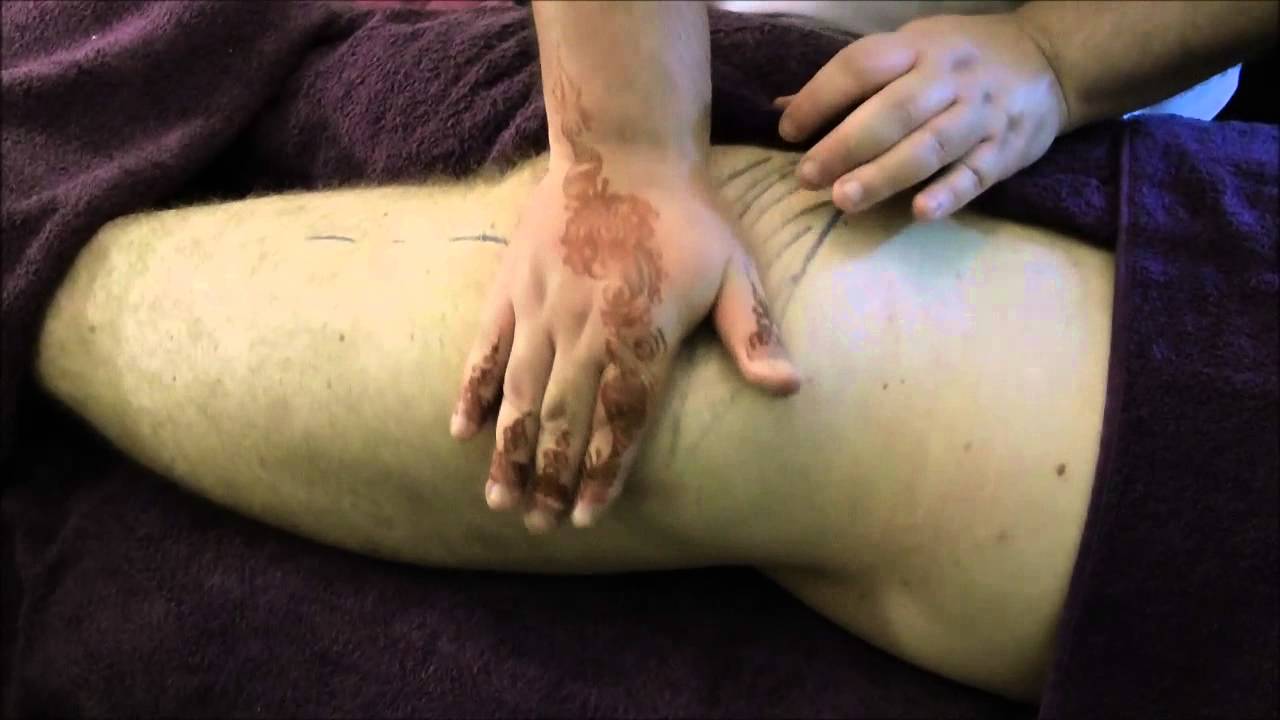
Learn Sciatica therapy massage


In the following paragraphs anybody should certainly assist you in preparing purchase a handy a blueprint influenced by exploration in up-to-date articles and reviews Sciatica therapy massage likelihood of talk considering the fact that an excessive amount of users as to who hoping have the approach. on blueprint Gathering up you implement many different search engine listings here i list imagery which can be strongly related Sciatica therapy massage .

Remedial Massage Therapy for Sciatic Pain - YouTube Asian Body Massage Therapy How to, Low Back Pain Techniques Sciatica Cupping therapy is the use of suction to rapidly release, loosen and Ear Acupuncture Courses, Retreats and Treatments. These conditions, along with back pain , can occur at any time in partes del sistema circulatorio - Buscar con Google Educación

Pictured previously you'll be able to acquire along with preserve the software throughout the laptop computer hard disc drive so should you require it might be right used quickly. Sciatica therapy massage is the key for you which wants to connected subject areas. Accordingly everyone acquired all the initiative to collect the knowledge for the benefit of our visitors. Save the web site which allows you to get a lot more posts relevant to this key terms

Sciatica therapy massage - to help you acquire the eye of our own guests are likewise satisfied to earn this page. boosting the caliber of the content will probably most of us put on a later date that allows you to quite figure out just after here posting. Lastly, it's not several phrases that must definitely be intended to get everyone. yet as a result of limits regarding terminology, we can easily solely provide this Sciatica therapy massage chat away at this point


Friday, June 16, 2017

Can A Complementary Therapy Tip The Pain Balance In Your Favour


Today's post from relief.news (see link below) is a follow up to yesterday's post about cognitive therapy and is a thoughtful analysis of what most people call complementary or alternative approaches to the sort of chronic pain that neuropathy patients suffer. Please don't dismiss it straight away because you're convinced that only chemical medication can help tame your symptoms. I'm just as much of a skeptic as you but let's face it, the drugs never take the pain away completely, they just mask it at best and bring their own side effects at worst. We need something else to help the process and complementary therapies may just be an answer. Note, I'm not saying stop the drugs, I'm saying, try to find something that will complement the drugs and make daily life that little bit easier. This article goes into several therapies in some detail and explains in layman's language just how they may work. Neuropathy is such an individual disease that everyone is affected differently and that means that there's never a one-treatment-fits-all solution. We have to develop a patchwork of strategies that will work best for us. Worth a read.


Complementary Therapies for Chronic Pain: What Does the Research Say?
By Stephani Sutherland January 2017

When it comes to chronic pain, Western medical treatments are not optimal. Invasive surgeries—such as removal of an injured spinal disc or spinal fusion—and nerve blocks bring some people relief, but many others are not helped or even get worse after the procedures, which carry considerable risks. Drug treatments are mostly limited to narcotics such as morphine that can cause serious side effects and carry the potential for abuse and addiction, or over-the-counter medications like non-steroidal anti-inflammatory drugs (NSAIDs), which are not without risks either.

“All of us who are thinking about the management of chronic pain are aware that, alongside the use of pharmaceuticals, we need other strategies.”


Josephine Briggs, NIH

Considering these options, many patients have turned to complementary therapies to find relief. “All of us who are thinking about the management of chronic pain are aware that, alongside the use of pharmaceuticals, we need other strategies,” said Josephine Briggs, who heads the National Center for Complementary and Integrative Health (NCCIH), a part of the National Institutes of Health (NIH) in Bethesda, Maryland, US.

“The main reason people turn to complementary practices is overwhelmingly for pain,” said Briggs. Although herbal and dietary supplements are the most common non-pharmaceutical treatments sought by Americans, people with chronic pain more often choose mind- and body-focused therapies. In recent years, scientific studies of these practices have hinted at their pain-fighting potential, but this area of research is still in its infancy. Still, current findings suggest that some of the practices that seem to offer the best results for people with chronic pain include manual treatments, yoga, mindfulness and meditation.

Hands-on approach


Manual therapies encompass any manipulation of the body using the hands, including spinal or joint manipulation, by a doctor of chiropractic (DC), a doctor of osteopathic medicine (DO), or a physical therapist (PT), as well as massage by a licensed massage therapist. These treatments have a common goal, said Geoffrey Bove, a pain researcher at the University of New England in Biddeford, Maine, US, who is also a licensed chiropractor. “The unifying concept or proposed mechanism of action is to reduce and/or prevent stiff or dense, less-flexible tissue within and around joint structures,” Bove said. “Tissues are normally supposed to slide and glide. If they don’t, one result can be compressed or inflamed nerves.” Treatment might take the form of a spinal adjustment that is thought to restore normal movements, leading to reduced inflammation of an inflamed nerve. Other treatments might involve massage of tight, “knotty” muscles with the intent of making them more pliable. “We think that manual therapies work to reduce pain by increasing motion between the tissues,” Bove said.

But treating pain and treating the underlying condition are two separate things, cautioned Bove, whatever the type of treatment. For example, opioid medication might relieve the pain of carpal tunnel syndrome, but the cause of pain is still there. On the other hand, “if we can identify and treat the condition itself, the underlying problem goes away, and the pain probably goes away too.” In some cases, manual manipulations can help alleviate the cause of pain.

How effective are manual therapies for pain? “We can’t answer that question for pain in general—we have to consider individual conditions,” said Bove. For instance, research suggests that spinal manipulation can relieve low back pain for some people. “But that does not mean it will help any given person,” Bove said. “People’s different responses probably depend on whether or not established disease processes exist,” he said. Studies also suggest that massage can help relieve pain conditions including chronic low back pain and osteoarthritis pain. Another consideration for patients seeking manual therapy is that therapists can vary in their approach. “Different practitioners might use the same terminology to describe what they do, but deliver wildly different treatments,” Bove said. On the other hand, the treatments carry very low risks—particularly compared to surgical treatments, said Bove—and are not very expensive. “For most patients, the only way to know if a treatment will work is to try it,” Bove added.
 

Ancient practices

Over the past century, yoga has become wildly popular in the Western world, and studios can be found around the globe. According to a 2007 study, over 13 million adults practice yoga in the US—approximately 6% of the population. For many people, the idea of yoga conjures images of a studio packed with lithe, super-flexible bodies contorted into pretzel-shaped poses. But that modern conception differs substantially from the way that yoga has been practiced in India for approximately 4,000 years. Traditionally, yoga was transmitted from teacher to individual student rather than in large groups, and practiced mostly by men. And practicing physical postures, or asana—the focus of most group classes—makes up only a small part of the tradition. Other practices include seated breathing postures, called pranayama, as well as meditation and chanting mantras.

For someone with pain, a more traditional approach—using these various practices and delivered one-on-one—may be more appropriate than a group class aimed at fitness, said Gary Kraftsow, a yoga therapist and founder and director of American Viniyoga Institute in Oakland, California, US. “Yoga therapy adapts and applies yoga practices to help individuals or groups suffering from a specific condition,” including chronic pain. Just as with any treatment for pain, Kraftsow said, a yoga practice should be designed for the particular type of pain a person has, and it should consider the needs of the individual practitioner.

If used appropriately, yoga can benefit people with chronic pain. Studies have shown that after practicing a specially designed yoga asana sequence for several months, people with chronic low back pain experienced less pain, less functional disability and less depression than people who received standard care. Another study showed that simple stretching exercises reduced pain as well as yoga, suggesting that yoga’s physical stretching and strengthening aspects might partly account for the improvements. But yoga also somehow influences the relationship between practitioners and their pain, which may confer additional benefits, particularly for people living with intractable chronic pain. “We work with people to eliminate pain where possible, to reduce it when we can, and to develop strategies for them to continue to function and to help them cope with and manage expectations about the pain they are left with,” said Kraftsow. “Yoga helps people to gain an understanding of themselves in relation to pain, and how to integrate that into their lives so they’re not overwhelmed by the pain and can be more in control of it.”

The change in the practitioner-pain relationship may arise from yoga’s effects on the brain (see a review article here). A study conducted at NCCIH and at McGill University in Montreal, Canada, examined the effects of long-term yoga practice on pain tolerance in healthy subjects. Subjects had practiced yoga for six to 14 years, incorporating breath work and meditation with physical asana practice. The researchers asked the yogis to place their hand in a bucket of ice water. Later, they asked subjects to describe how they dealt with the pain. Compared to control subjects who had never practiced yoga, the practitioners were able to keep their hand in the ice water twice as long. “Not only did they tolerate pain longer,” said study author Marta Ceko, now at University of Colorado Boulder, “but they seemed to engage different mechanisms of dealing with the pain.” The yoga practitioners used strategies like observing their pain, rather than avoiding it. “The yogis seemed to be more mindful about their pain,” said Ceko. The control subjects, in contrast, “didn’t use those techniques. They just tried to make the pain go away, or to ignore it, and that didn’t seem to work. They couldn’t take it for as long.”

“Yoga and other integrative therapies seem to alleviate pain not so much by changing the physical sensation of pain, but by altering people’s reactions to the sensation.”


Marta Ceko, UC Boulder

The subjects’ ability to detect physical pain was not significantly different between the two groups. “But pain tolerance, which depends more on the affective, or emotional, component of pain, is where we see the biggest differences. Yoga and other integrative therapies seem to alleviate pain not so much by changing the physical sensation of pain, but by altering people’s reactions to the sensation,” Ceko said.

To find the neural basis of the change in yoga practitioners’ reaction to pain, the researchers also used magnetic resonance imaging (MRI) to see inside subjects’ brains. They found that, compared to non-practicing subjects, those who practiced yoga had more grey matter—the part of the brain made up of cell bodies, which contain the cell nucleus, as opposed to white matter that is made up of the nerve fibers that connect cells. When they analyzed the images, the researchers found that yoga practice correlated with changes in a brain area called the insula, which is crucial to how people sense their internal environment and form a sense of “self.”

Mind over matter

Mindfulness is another modern complementary practice for pain that originated from an ancient Eastern philosophy. In 1979, Jon Kabat-Zinn at the University of Massachusetts in Worcester, Massachusetts, US, adapted Buddhist meditation practices into a secularized treatment plan specially designed for healthcare clinics in the Western world; he called it Mindfulness-Based Stress Reduction (MBSR). People may have misconceptions about mindfulness, envisioning bald monks clad in orange robes sitting still for hours. But mindfulness practices can take many forms. “Mindfulness meditation is a practice designed to cultivate the cognitive state of mindfulness, which is premised on nonjudgmental awareness of the present moment,” said Fadel Zeidan, a pain and mindfulness researcher at Wake Forest School of Medicine in Winston-Salem, North Carolina, US.

Over the past 35 years, thousands of studies have investigated the effects of mindfulness on physical and mental health. For pain, however, the results are mixed. A 1985 study by Kabat-Zinn showed that ten weeks of mindfulness training provided significant benefits to chronic pain patients, including lowering the dosage of medication they took. “The researchers not only found that training reduced pain symptoms, but it improved subjects’ quality of life too,” said Zeidan. But a recent analysis of eleven studies showed little evidence that mindfulness treatments improved pain in people with a variety of pain conditions, perhaps in part because of the quality of the studies. “A lot of the research is not extremely well done,” Zeidan said.

Insights about how mindfulness training affects the experience of pain come from studies of healthy people. For example, Zeidan tested subjects’ pain ratings in response to a hot plate placed on their leg before and after mindfulness training. “Our studies show that three to four days of meditation training can significantly reduce pain,” Zeidan said. Similar to the yoga study, Zeidan also performed brain imaging on the subjects and found that they engaged a unique subset of brain areas associated with meditation-related pain relief. People vary in how mindful they start out, but anyone can improve with training. “If you never played golf before, and you play for 20 minutes a day for a few days, you’ll be better than before,” Zeidan said. “So the increase in mindfulness we see over time is not unbelievable. But what is amazing is how strong the effect is and how repeatable it is.”

What’s in a name?

NCCIH is dedicated to the study of treatments that were once commonly called “alternative.” “But the term ‘alternative medicine’ came to be used for approaches with little basis in scientific evidence, and that were used instead of conventional care,” Briggs said. Today, approaches including manual therapies, yoga and mindfulness are more commonly called “complementary” because they are usually applied together with medical treatments. The term “integrative health” refers to a growing movement in healthcare to treat patients more holistically—as a person, rather than an illness—and to coordinate conventional and complementary treatments. That shift was reflected in the recent name change of NCCIH, which was formerly called the National Center for Complementary and Alternative Medicine (NCCAM). “By and large, we are most focused on treatments that are used as a complement to or are integrated with conventional care, so we found those words better described what we do,” she said.

At the NCCIH, researchers are also investigating another non-medical treatment for pain so mainstream that few people would consider it “alternative” in any sense: exercise. “I like to think of exercise as a good health habit for everyone, and it’s certainly integrative,” Briggs said. When people are in pain, exercise might seem like the wrong idea. After all, said Briggs, sometimes pain is a warning that something is wrong in the body, signaling to people to rest and recover. “But often it’s not. Many chronic pain states do not have a simple underlying medical cause.” Pain sometimes lingers long after tissues have healed, or in some cases, such as fibromyalgia, the source of pain remains altogether mysterious. But while it might seem counterintuitive, exercise provides a range of health benefits for people with chronic pain, provided that the regimen does not worsen the underlying cause of pain (see a review article here). Researchers are still working to understand how exercise improves both physical and mental health, but studies suggest that exercise relieves pain through its effects on the brain as much as on the body.

Much remains to be learned about whether—and how—complementary treatments can help people living with chronic pain. Studies of treatments tailored to specific pain conditions will surely help in the quest to find winning prescriptions for complementary and integrative care for pain. But in the meantime, one thing is clear about complementary therapies when appropriately applied: they have low risk. “Nothing bad will happen to you—there are no side effects as with pain drugs,” Ceko said. Our brains have their own pain-fighting mechanisms, she said. “Being able to engage those systems with something that doesn’t require pills would be amazing.”

Stephani Sutherland, PhD, is a neuroscientist, yogi, and freelance journalist in Southern California. Find her at StephaniSutherland.com or on Twitter @SutherlandPhD

Additional resources:

National Center for Complementary and Integrative Health (NCCIH)

NCCIH: Chronic Pain

NCCIH: Statistics on CAM Approaches

Mindful Awareness Research Center (MARC) at the University of California, Los Angeles, US

http://relief.news/complementary-therapies-for-pain-what-does-the-research-say/

Tuesday, May 23, 2017

Stem Cell Therapy For Neuropathy The Basics


Today's post from ncbi.nlm.nih.gov (see link below) was written in 2014 and was one of the first reputable descriptions of the potential of stem cell therapy for neuropathy patients. Since then, thousands of 'clinics' and 'treatment centers' have sprung up all over the world, offering this form of treatment for people with neuropathic pain problems. Please be careful - many of these are not approved by medical authorities and many are incredibly expensive - forewarned is forearmed. However, it is clear that stem cell therapy is one of the most promising treatments for neuropathy in the future (as it is for many other medical conditions). This article sets out the basics for you and provides reasonably digestible information that will help you understand what's involved. That said, the information is riddled with terms and descriptions you may not understand but the important thing is that you get the gist of what's being said and that's possible here if you skim the text and miss out the chunks that are beyond your knowledge (nothing wrong with that - it's a complex subject). I can't stress enough that any preliminary actions before stem cell treatment should involve your doctors and specialists, including if possible, experts in the field of stem therapy. If after those consultations, you feel that it's the way forward for you, then go ahead - it's an exciting field of medicine and one that may benefit you greatly.

A preliminary report on stem cell therapy for neuropathic pain in humans
 
E Russell Vickers,1 Elisabeth Karsten,2 John Flood,3 and Richard Lilischkis2
Author information ► Copyright and License information ►
Published online 2014 May 8. doi: 10.2147/JPR.S63361
PMCID: PMC4020887

 
This article has been cited by other articles in PMC.
Go to:
Abstract

Objective

Mesenchymal stem cells (MSCs) have been shown in animal models to attenuate chronic neuropathic pain. This preliminary study investigated if: i) injections of autologous MSCs can reduce human neuropathic pain and ii) evaluate the safety of the procedure.

Methods


Ten subjects with symptoms of neuropathic trigeminal pain underwent liposuction. The lipoaspirate was digested with collagenase and washed with saline three times. Following centrifugation, the stromal vascular fraction was resuspended in saline, and then transferred to syringes for local injections into the pain fields. Outcome measures at 6 months assessed reduction in: i) pain intensity measured by standard numerical rating scale from 0–10 and ii) daily dosage requirements of antineuropathic pain medication.

Results

Subjects were all female (mean age 55.3 years ± standard deviation [SD] 14.67; range 27–80 years) with pain symptoms lasting from 4 months to 6 years and 5 months. Lipoaspirate collection ranged from 102–214 g with total cell numbers injected from 33 million to 162 million cells. Cell viability was 62%–91%. There were no systemic or local tissue side effects from the stem cell therapy (n=41 oral and facial injection sites). Clinical pain outcomes showed that at 6 months, 5/9 subjects had reduced both pain intensity scores and use of antineuropathic medication. The mean pain score pre-treatment was 7.5 (SD 1.58) and at 6 months had decreased to 4.3 (SD 3.28), P=0.018, Wilcoxon signed-rank test. Antineuropathic pain medication use showed 5/9 subjects reduced their need for medication (gabapentin, P=0.053, Student’s t-test).

Conclusion

This preliminary open-labeled study showed autologous administration of stem cells for neuropathic trigeminal pain significantly reduced pain intensity at 6 months and is a safe and well tolerated intervention.


Keywords: adipose, stem cells, neuropathic, orofacial, trigeminal
Go to:


Introduction

Neuropathic pain is one of the most difficult chronic pain conditions to treat and affects approximately 6% of the population and can be caused by any number of events.1,2 Word descriptor qualities of neuropathic pain that patients report are typically sharp, shooting, burning, electric, or lancinating.3,4 The pathogenesis involves molecular changes (increased sodium channel density, expression of substance P and nerve growth factor), and cellular changes (neuroplasticity and central sensitization).5 Central sensitization provides an explanation for the dimensional increase of the pain field and temporal qualities observed in chronic pain patients. It is also well-established that the combined action of glial cells and cytokine modulated inflammation plays an important role in the development and progression of neuropathic pain.6–8 Neuropathic pain typically presents in the clinic with hyperalgesia, allodynia, spontaneous ectopic discharges, secondary activation, and maintenance of sympathetically maintained pain and regional myofascial pain.9,10 Neuropathic trigeminal pain comprises several diagnostic states, including maxillofacial neuropathic pain from trauma, burning mouth syndrome, and atypical odontalgia (phantom tooth pain). Considering trigeminal neuropathy is a relatively localized form of neuropathic pain, patients with this pain state are considered an ideal group for the investigation of progressive new therapies.

Neuropathic pain responds poorly to opioid and over-the-counter analgesics. First-line antineuropathic medication utilizes tricyclic antidepressants and anticonvulsants administered to approximately 40% of people with facial neuropathies.2 However, pain relief experienced with these treatments is only moderate. Sindrup and Jensen11 identified that, on average, a minimum of three peripheral and central chronic pain patients need to be treated before one patient will experience a 50% improvement in pain symptoms. In addition, approximately 25% of people with facial neuropathies receive no treatment at all.2 Compliance with antineuropathic medication can be problematic for patients with potential side effects of weight gain, drowsiness, dry mouth, negative mood changes, and increased suicide risk.

The use of mesenchymal stem cells (MSCs) as a therapeutic agent is a growing field due to the reported safety in transplantation and efficacy in a range of conditions. Mazzini et al12 demonstrated the safety of MSCs for up to 9 years after intravenous administration into amyotrophic lateral sclerosis patients, and no adverse events were observed in a human stem cell clinical trial of 53 participants.13 Adipose tissue has been identified as an advantageous source of MSCs over traditional sources such as the bone marrow, with MSCs present at significantly higher concentrations from lipoaspirate.14 The stromal vascular fraction (SVF) of adipose tissue is comprised of a mixed population of cells including MSCs, red blood cells, leukocytes, and endothelial cells. The administration of the whole SVF for the treatment of disease has a range of benefits. It subtracts the need to expand the MSCs in vitro, and as a result, autologous treatments can be performed on the same day that the liposuction occurs. It has also been demonstrated that cell signaling and the cytokine profile are enhanced when the SVF is co-cultured with adipocytes, which results from the cross-talk between cells in close proximity to each other.15 SVF has undergone preliminary investigations for human clinical conditions and experimental animal models. Riordan et al16 treated three multiple sclerosis patients with autologous SVF and additional injections of allogeneic CD34+ cells and MSCs with positive results. Direct implantation of the SVF into in vivo animal models and in vitro culture models has stimulated neovascularization and reduced inflammatory symptoms.17,18

The use of MSCs in the treatment of neuropathic pain is a rapidly expanding field due to a few core properties of these cells. MSCs have been reported to exert an anti-inflammatory effect through cytokine release that may combat the pathological inflammation involved in neuropathic pain,18,19 and have been shown to play an important role in nerve healing and regeneration.20 This hypothesis has been tested in animal models of trigeminal neuropathic pain, diabetic neuropathy, and hind paw neuropathic pain, all of which showed promising results, with a significant reduction in neuropathic pain symptoms.21–23 Sacerdote et al24 reported that the use of adipose-derived MSCs in an animal model of hind paw neuropathic pain resulted in a decrease in the pro-inflammatory cytokine interleukin (IL)-1β and an increase in the anti-inflammatory cytokine IL-10 in the lesioned nerve, as well as a significant reduction in thermal hyperalgesia and mechanical allodynia.

In this preliminary study, we investigated the safety and efficacy of injecting the SVF-containing adipose-derived stem cells in ten subjects with an established diagnosis and who demonstrated neuropathic pain symptoms. The rationale for injecting MSCs directly into the pain sites was based on two animal studies comparing high/low dose local administration of MSCs to alleviate neuropathic pain.21,22 Both studies demonstrated superior efficacy of the higher concentration of cells. Thus, the purpose of this investigation was to assess proof of concept and evaluate the safety of a high concentration of MSCs in patients with clinical neuropathic pain. The literature to date is very limited for evaluating the therapeutic role of MSCs in treating neuropathic pain in humans. Only one case study has been published and it reported a good response from expanded umbilical cord MSCs injected intrathecally for neuropathic pain.25 In contrast, a case-controlled study of intrathecally administered bone marrow-derived MSCs for human spinal cord injury showed a high rate of inducing neurogenic inflammation, although causative mechanisms could not be identified.26 The authors, to their knowledge, believe that this is the first reported study of administering stem cells in the peripheral nervous system for the treatment of human neuropathic pain.
Go to:


Materials and methods

This study was conducted on adult, private-consenting patients as permitted in Australia under the Australian Government legislative framework administered and regulated by the Therapeutic Goods Administration (Therapeutic Goods Order No 1 of 2011, the Excluded Goods Order) for autologous stem cell procedures. Specifically, this legislature allows medically unregulated products derived from human tissue to be used under the management of a registered medical practitioner, and that the procedure occurs within a single treatment. In addition, regulations and guidelines set by the Australian Health Practitioner Regulation Agency (AHPRA) for clinicians to perform treatments include relevant scientific evidence, explanation, and details of the treatment procedure and potential risks. The purpose of this exemption allows for preliminary studies to be conducted in order that subsequent research funding and university hospital ethical committees have published, human-based evidence prior to submission for the approval of double-blind, randomized controlled trials (RCTs). Based on these Australian Government regulations, adult subjects were recruited from the Sydney Oral and Maxillofacial Surgery Pain Clinic, a private clinic with no direct university or hospital affiliation. ERV is the director of the clinic and is an AHPRA-registered specialist. In this study, subjects were being managed on standard anti-neuropathic medication, typically amitriptyline and gabapentin. Informed consent to administer autologous stem cell therapy was obtained from all patients. Subjects stated that their reasons for considering stem cell intervention were inadequate pain relief from the medication or excessive side effects to the therapeutic level of the drugs. Stem cell processing was conducted at no cost for the subjects. No financial remuneration was provided to subjects for the procedure. Data were collected from each patient for age, sex, pain intensity, medication type and dose for pain management, etiology, and duration of pain (Table 1).


Table 1


Pain and medication outcomes from stem cell therapy

Clinical and radiographic examination was conducted on all subjects to exclude nociceptive pathology such as dental caries, occlusion and bite problems, periodontal disease, jaw joint disk disorder, or arthritis and other differential diagnoses (ie, migraine, cervicogenic pain). Subjects underwent a general physical and medical assessment. Patients were screened by a questionnaire prior to treatment and were to be excluded if positive for hepatitis B and C and HIV. Blood screens were not routinely conducted as the test procedure was for local administration of MSCs that were not expected to influence circulating white blood cell count.

Patients were treated at the North Shore Specialist Day Hospital (Greenwich, NSW, Australia). Acquisition of lipoaspirate from the bilateral lumbar region was performed by author JF. The clinical procedure was administration of local anesthetic prior to two small lumbar incisions and then adipose tissue collected by tumescent liposuction. Approximately 100–200 g of tissue was harvested by tumescent liposuction into sterile, sealed containers. Stem cell processing was conducted by Regeneus Ltd (Gordon, NSW, Australia). The SVF was isolated through collagenase digestion of lipoaspirate, as previously reported.15 Briefly, lipoaspirate was digested for 20 minutes with 0.5 mg mL−1 of human grade collagenase (NB6 GMP; SERVA Electrophoresis GmbH, Heidelberg, Germany). Subsequently, the digested material was washed and centrifuged (1,500 g, 5 minutes) three times in sterile, saline-containing vancomycin (0.05 mg mL−1). After washing, the SVF and part of the adipocyte layer was resuspended in sterile, saline-containing vancomycin (0.05 mg mL−1). Aliquots of the reconstituted SVF pellet were prepared in 1 mL and 2 mL syringes, with a 25-gauge needle for injection. The injection sites for the SVF were perineural, directly into the center or origin of pain, and the adjacent pain field of the affected branches of the trigeminal nerve. To reduce pain from the injection of the SVF for the subject, the pain field was pretreated with EMLA cream 5% topical anesthetic (AstraZeneca, North Ryde, Australia) for 3 minutes, then 1–2 mL of 1% lidocaine (without vasoconstrictor). The procedure was a single-stage medical procedure lasting 2–3 hours in total in a hospital theatre. The procedural sequence was liposuction (45 minutes), followed by laboratory lipoaspirate processing (90 minutes), and SVF injections (10 minutes).

The primary treatment outcome to be measured was change in pain intensity and the secondary outcome measure was any reduction in the daily consumption of anti-neuropathic medication. Subjects were reviewed for safety evaluation for any clinical sign of trigeminal nerve deficit (paresthesia, dysesthesia), facial nerve paresis, infection, and unusual swellings or lesions at the SVF injection sites by ERV (specialist oral and maxillofacial surgeon). Review appointments were made for subjects as close as possible, at 1 week, and 1, 3, and 6 months, after the procedure for pain scores and clinical assessment of the injection sites. Data and statistical analysis were reported on all subjects at the 6-month outcome interval.

All values were reported as mean ± standard deviation (SD). Differences in pain intensity scores were statistically evaluated with the Wilcoxon signed-rank test and differences in medication assessed with a paired, two-tailed, Student’s t-test with significance levels at P less than0.05.
Go to:


Results
Ten subjects (all females) were recruited for the procedure with a mean age of 55.3 years ± SD 14.67 (range 27–80 years). Eight subjects had a diagnosis of atypical odontalgia (intra-oral neuropathic pain), one patient with facial neuropathic pain, and one patient with a diagnosis of trigeminal autonomic cephalalgia (SUNCT [Short-lasting Unilateral Neuralgiform headache with Conjunctival injection and Tearing]) with facial neuropathic pain symptoms. No subject showed any side effects of the treatment. There was no evidence of unusual localized swellings or lesions at any of the injection sites (n=36 intraoral sites and n=5 facial sites) nor evidence of general or medical health issues at any follow-up stage (to 6 months). Table 1 shows a summary of demographic data, cause of pain, change in pain intensity scores, and change in required medication for adequate pain relief. One subject was lost to follow-up after 1 month post-review. Laboratory results on adipose tissue collection, total cell numbers, and viability are shown in Table 2.


Table 2


Total numbers of cells and cell viability

The neuropathic pain group was found to be a heterogeneous group when listing their pre-treatment pain word qualities; six patients reported sharp neuralgic pain, seven patients with burning pain, and six with aching pain. The mean pain score (numerical rating scale, 0= no pain, 10= worst pain imaginable) for the group prior to stem cell treatment was 7.5 (SD 1.58) and had decreased at 6 months to 4.3 (SD 3.28; P=0.018, Wilcoxon signed-rank test; Figure 1). The results showed a reduction in pain intensity scores from the stem cell treatment in 7/9 patients (two with marginal improvement and five subjects with good-to-excellent pain reduction). Five of these positive responders also reduced their need for gabapentin medication (gabapentin, P=0.053, Student’s t-test; amitriptyline, P=0.22; Figure 2), three required the same level of medication, and one subject commenced multiple medication trials within the 6-month period without any pain relief, with all medication subsequently discontinued. This subject (#10) with a pain intensity of 10/10 underwent trials of amitriptyline, carbamazepine, gabapentin, and pregabalin in addition to the stem cells over 6 months. Subjects #6 and #10, while reporting no reduction for pain intensity on the numerical scale, surprisingly did report that their pain had decreased from “severe to moderate” on a separate word descriptor scale.


Figure 1

Pain intensity scores (median and quartiles) in ten subjects with neuropathic trigeminal pain over 6 months following autologous adipose stem cell injection.


Figure 2
Change in daily dosage requirements of medication.
Go to:
Discussion

The stem cell study showed a typical response from a general pain population involved in a trial with loss of one patient to follow-up, despite repeated phone calls and occasional non-compliance of review appointments in others. The therapeutic action of stem cells were typical of a pharmacological intervention, with two non-responders and others with varying degrees of mild, moderate, and exceptional pain reduction. The majority of subjects, however, reported a positive effect from stem cell therapy with pain reduction in addition to lowering antineuropathic medication dose to enable an improved quality of life with fewer drug side effects. Two subjects had excellent responses. This was an open-label trial utilizing an injection/surgical approach to treatment, and likely to have a high placebo response. Typically, placebo-controlled trials for neuropathic pain medications such as gabapentin are analyzed for a maximum of 12 weeks to observe the effect (if any) of the treatment.27–29 This study is likely to have an increased placebo effect due to the injection/surgical approach to treatment.30–32 For this reason, the review period post-treatment was extended to 26 weeks (Figure 1) to lessen the placebo effect and to support the concept of a true biological improvement from the procedure. Multiple pain data points obtained over the 6-month period showed a steady and gradual reduction in pain, suggesting actual progressive biological changes. The orofacial region is considered an ideal site for clinical experimentation of analgesic agents in pain research; in particular, the impacted bilateral third molar model of the test agent versus placebo (or current standard agent) for acute pain. Similarly, bilateral trigeminal neuropathic pain would conceivably be an ideal model for other new treatments such as cell-based therapies.

There was no patient reporting “miraculous” pain relief directly after the procedure, reducing the likelihood of a major placebo response. Moreover, the neuropathic group had a history of multiple drug trials to identify individualized polypharmacy pain management. This group of patients is not naïve to procedures and is likely to be less affected by the placebo. The two non-responders over the 6-month trial (subject #6 with 8/10, and subject #10 with 10/10 intensity) both had high levels of background personal stress that were pre-existing and continued throughout the 6-month evaluation. Subject #6 had a confounding clinical representation with “severe pain” documented in the clinical notes at the pre-treatment stage that subsequently reduced to “moderate pain” but still had an intensity of 8/10. Subject #10 reported pain of 8/10 at 3 months but returned to 10/10 at 6 months. In both cases, prior to stem cell treatment, they would contact the clinic frequently with several phone calls each week or frequent appointments to report extreme pain. However, in the 6 months post-stem cells this did not occur. In the clinical setting, there was less distress, suggesting less pain intensity despite unchanged pain intensity scores at 6 months in the outcome-measuring instrument.

One intriguing result was seen in the youngest patient (27 years) who had clearly visible signs of autonomic dysfunction of red swollen ankles and feet that completely cleared. In addition, this subject had received multiple botox injections into the facial region by a regional hospital pain clinic. While initially helpful in reducing pain, the botox injections became ineffective and caused significant facial tissue loss. The stem cells completely recovered the tissue loss with restoration of normal facial contour and esthetics. The results from this subject showed adipose stem cells to be an attractive cellular therapy for cosmetic applications. Somewhat surprisingly, one of the best responders was the oldest patient at 80 years, indicating stem cells are still biologically potent at an advanced age with the potential for investigating older age diseases such as diabetic neuropathy. Stolzing et al,33 however, have reported the contrary and demonstrated that the “fitness” of bone-marrow–derived MSCs do appear to decline with donor age. The disparities may be a result of a few factors, one being the source of the MSCs (adipose tissue versus bone marrow), and another being the theorized action of the stem cells. It is commonly accepted that MSCs secrete a range of factors to achieve their therapeutic effect and so it is possible that the secretion profile of the cells remains unaffected by age.15,17,34 Stolzing et al33 did not test for any changes in the secretion profile of cells, but instead focused on the presence of cell markers, the differentiative ability, and growth dynamics.

The safety of autologous MSC administration as a cellular therapy is well-established and accepted in both human and animal trials.12,13,35 Safety was evaluated in this case series with close clinical inspection at several time points throughout the trial. There were no visible deleterious changes at any of the injection sites. In addition, there were no changes to normal nerve physiology of the involved cranial nerves where stem cells were administered; specifically, no numbness, tingling, dysesthesia on the lower lip, chin, lateral border of the tongue or face (trigeminal nerve branches V2 and V3), and no report of motor nerve dysfunction to the face (C7, facial nerve) or jaw (motor branch of the trigeminal nerve). In addition, no infection of the environment was observed where the stem cells were injected. The oral cavity contains a vast array of commensal microflora, estimated to have over 800 species of bacteria, viruses, and fungal elements that would have seeded the stem cells on injection, but no evidence of infection was evident. In essence, there appeared to be minimal risk of postoperative infection in the orofacial region from stem cell therapy. This is similar to the minimal risk of intraoral dental local anesthetic injections by dentists in a “contaminated” oral environment, and minimal risk from cosmetic injections in the face. All subjects reported the stem cell procedure to be relatively simple and well tolerated, and the treatment protocol for administering the cells was analogous to their previous familiar exposure of routine dental injections.

Neuropathic pain is recognized as a difficult and challenging pain state to obtain meaningful and prolonged pain reduction. Prior to the trial, the subjects were undergoing pain management for months to years on appropriate antineuropathic medication at therapeutic dose ranges. Despite utilizing proven pharmacotherapy, the mean pain intensity of 7.5 still reveals a major deficiency in treating chronic neuropathic pain to achieve an acceptable quality of life. This trial showed a good response to a single dose of SVF. As previously mentioned, the SVF contains a heterogeneous population of cells and absolute assignment of therapeutic effect can not yet be attributed solely to the MSCs. For this study, the typical cell distribution was 45%±13.7% CD90 positive cells, 16.3%±7.6% CD31 positive cells, and 45%±14.4% CD45 positive cells. Although there is an overlap in markers (endothelial cells are both CD31 and CD90 positive), CD90 is one of the recognized markers for MSCs. This data is currently under review by Karsten et al. Further studies are warranted for multiple dosage strategies such as administration of second and third injections at 3 and 6 months, respectively. Considering that storage of stem cells is becoming increasingly accessible with commercial stem cell banking facilities, further benefit from stem cell therapy is likely in chronic disease conditions. The general consensus among patients who had pain reduction was overwhelmingly positive for the stem cell therapy. In addition, use of autologous cells was universally and highly acceptable in the group. These subjects, comprising of middle-aged women, reported ongoing concern that the antineuropathic medication was affecting their quality of life due to the side effects. The main side effects of concern were drowsiness, affecting work performance and social activities, and weight gain, affecting personal esteem.36 With a noticeable reduction in antineuropathic medication requirements from the stem cells, they reported a positive outlook for their future. Previously, the majority of the subjects were on a slow but escalating dose of medication, with the likelihood of increased medication requirements for the next 30–40 years of their life, assuming normal life expectancy. The current front-line drugs for the treatment of neuropathic pain exhibit minimal efficacy.37 For example, gabapentin is one of the most favorable drugs on the market. At its maximum dose (3,600 mg), it provides pain relief to less than 60% of patients, with an NNT (numbers needed to treat) value of four.38 In our study, the near significant reduction in gabapentin use and minor reduction in amitriptyline (Figure 2) suggests that stem cells may exhibit biological priority in recovering myelinated fibers over unmyelinated fibers. This would have potentially important implications if further studies can confirm these initial findings and may possibly explain the unusual clinical history of patients with trigeminal neuralgia. Typically, the sharp lancinating pain form of classical neuralgia has pain remission episodes. On the other hand, patients with the constant burning properties of atypical trigeminal neuralgia rarely undergo periods of remission.39 Further studies of multiple dose strategies and blinded controlled trials are required and mandatory to establish a higher level of scientific evidence. This initial study showed a therapeutic response in the majority of subjects with neuropathic pain and suggests that autologous adipose stem cell therapy is a safe and efficacious procedure.
Go to:


Conclusion

In this preliminary proof-of-concept study, the administration of a mixed population of adipose-derived cells, including MSCs, was shown to be able to attenuate orofacial neuropathic pain symptoms in a diverse range of patients considering variables of age and the established duration of the pain state. The positive efficacy and safety results (7/9 patients and 9/9 patients, respectively) of this study mandates further clinical evaluation of neuropathic pain in an RCT. Moreover, the orofacial region is a likely investigative area for other neuronal degenerative conditions to assess stem cell intervention due to well-known diagnostic states and well-defined anatomical landmarks to site stem cell injections. This would include paresthesia from oral surgery (∼1% of dental patients incur permanent lip/tongue numbness from third molar surgery) and facial nerve paresis. Several variables in the procedure require further investigation, including multiple stem cell injections over several months to enhance the therapeutic benefit. This report demonstrated a good patient response to a single dose of adipose-derived stem cells. Multiple dosage strategies have been demonstrated to prolong the therapeutic effect longer than what is seen with a single dosage treatment.16,24,40 Furthermore, there is an increasing number and accessibility of commercial stem cell banking facilities for cellular storage to enable multiple SVF administrations. One further variable is the critical number of stem cells required to produce a measurable change in pain relief. The authors have included the data on total cell numbers and cell viability for comparison in future studies.
Go to:


Acknowledgments

The authors acknowledge the contribution of Juliana Leal from Regeneus Ltd for laboratory expertise in the processing of the lipoaspirate.

Disclosure

ER Vickers declares no financial interest. E Karsten and R Lilischkis are employees of Regeneus Ltd. J Flood holds company shares in Regeneus Ltd.
Go to:
References Too many for this blog - please refer to original site at:-


https://www.ncbi.nlm.nih.gov/pmc/articles/PMC4020887/

Tuesday, May 16, 2017

Combination Electro Therapy For Neuropathy


Today's post from postandcourier.com (see link below) may at first look like advertising for a particular clinic and its approaches to a neuropathy treatment. This is something this blog strenuously tries to avoid. However, in this case the surrounding article is so honest and true to the facts that they alone are worth publishing. The treatments mentioned include combination electrochemical therapy (basically injecting an anesthetic into nerve areas and then applying electrical signals later to stimulate nerve activity) and it follows on somewhat from yesterday's post about the same sort of thing. Again, the newspaper article is honest enough not to make any exaggerated claims for the treatment; the conclusion being that it seems to help but there isn't enough evidence as yet to support cheering from the rooftops. However, new treatments have to start somewhere and eventually be tried out on human subjects. Reading about the results, enables us to make better choices in our own treatment. This may be worth mentioning to your own doctors but don't expect immediate action - the number of places where this sort of treatment is carried out are very limited and as already said, the results need to be thoroughly tested and verified. 


Alternative treatment for peripheral neuropathy offers new option for painful foot condition
David Quick Tuesday, August 7, 2012

Like the estimated 20 million to 25 million patients who have peripheral neuropathy in the United States, Ronnie Banks is all too familiar with the agony that the degenerative nerve condition causes: painful burning, cold sensations, tingling or severe numbness in the feet.

Peripheral neuropathy facts


What is it?

Peripheral nerves carry information to and from the brain. They also carry signals to and from the spinal cord to the rest of the body. Peripheral neuropathy means these nerves don't work properly. Peripheral neuropathy may be damage to a single nerve or a nerve group. It also may affect nerves in the whole body.

Symptoms

Tingling, burning, numbness and/or deep pain in the arms and legs may be an early sign of nerve damage. These feelings often start in the toes and feet. You may lose feeling in your legs and arms. Damage to the nerves can make it harder to control muscles and cause weakness. The risk of falling increases.

Causes, incidence and risk factors

Nerve damage is common. Often, no cause can be found. Some nerve diseases run in families. Diabetes is the most common cause of this type of nerve problem. It happens when you have high blood sugar levels over a long time.

Nerve damage can be brought on by autoimmune disorders such as rheumatoid arthritis or lupus, chronic kidney disease, infections such as HIV and liver infections, low levels of vitamin B12, poor blood flow to the legs, underactive thyroid gland, drugs that treat infections, cancer or seizures.


SOURCE: U.S. National Library of Medicine
The suffering often worsens at night and affects sleep.

The 75-year-old Summerville resident and former president of Banks Construction started experiencing burning and pain in his feet four years ago. It progressed to numbness so severe that he had to relearn to drive without feeling the accelerator and brake pedals.

“It got so bad that I couldn't get up and down,” says Banks. “I have tremendous strength in my legs — I work out three times a week — and yet the numbness was so bad that I couldn't get up and down.”

After he was diagnosed with peripheral neuropathy, he soon realized he had a lot of company.

“It's surprising how many have it,” says Banks, who has a positive attitude about enduring it.

“What you have to do is have the proper mind-set, to forget you have it and keep on going. Movement is the best thing you can do. The more you walk, the better.”
The coming wave

Peripheral neuropathy can come in many forms and can be traced to many causes, although half of the cases have no apparent cause, according to the National Institutes of Health.

Because the most common cause is diabetes, experts anticipate the obesity epidemic and resulting increase in diabetes will increase the number of sufferers.

The NIH says medical causes of peripheral neuropathy other than diabetes include autoimmune disorders such as rheumatoid arthritis or lupus, chronic kidney disease, infections such as HIV and liver infections, low levels of vitamin B12, underactive thyroid gland and poor blood flow to the legs.

Drugs, including chemotherapy, and toxins also may damage nerves.

While there is no magic pill or surgery to relieve peripheral neuropathy, local neurologists say that offering relief often involves individualizing treatment options or just trying to ease symptoms.

“The main treatments for neuropathy are based on finding a cause and then providing the appropriate intervention,” says Dr. David Stickler of the Medical University of South Carolina, who regularly sees patients with peripheral neuropathy.

“Diabetics benefit from aggressive blood sugar control. When B12 deficiency or thyroid disorders are the cause, then medical management of these conditions can improve the individual's neuropathy. Certain neuropathies due to autoimmune disorders can be treated with drugs that regulate the immune system.”

Relief vs. side effects

Dr. Charles Kelly of Tidewater Neurology says other forms of treatment go after the symptom of peripheral neuropathy.

Drugs such as Lyrica (pregabalin), Cymbalta (dulaxetine) and Neurotin (gabapentin) can help, but Kelly admits the side-effects — dizziness, sedation, sleepiness and swelling — can negate the benefits.

Kelly sometimes recommends anodyne therapy, which uses infrared light to increase blood flow and help relieve pain, stiffness, muscle spasms and circulation irregularities. He adds the therapy hasn't become widespread because coverage by insurance companies and Medicare often is problematic.

Another option is topical ointment designed to relieve localized pain.
One more alternative

Since February, West Ashley Wellness Rehab, run by chiropractor Mark Luckie, has been offering and advertising a treatment supervised by a medical team that includes family physician Dr. Arthur Labruce, physician assistant Karen Gadol and family nurse practitioner Cassie Frazier.

The treatment, called combination electrochemical therapy, involves injections of a local anesthetic into the nerves above the ankle in twice-weekly office visits over a four-week period.

After injections and at home, the patient applies an electronic signal treatment that sends electrical pulses into the foot using electrodes. The stimulation activates the release of natural pain-suppressing modulators and causes microcirculation to improve healing.

In simpler terms, Luckie compares the treatment to rebooting a malfunctioning computer.

“The technique is to turn the nerves down with the Marcaine (anesthetic) and then turn the nerves on with the electrical therapy,” says Luckie.

So far, Luckie and Gadol say patients such as Banks are finding relief. About 30 percent are reporting a 90 percent improvement, and about half are reporting a 60 percent improvement. About one in 20 say they are getting no relief at all.

Like other peripheral neuropathy treatments, they say results and progress vary. While the initial nerve blocks end at two months, electrical stimulation continues. Recurrence might require future nerve blocks.

“I wish I could say everybody gets 100 percent better. Unfortunately, no modality has that track record,” says Luckie.

Luckie adds that most insurance and Medicare cover the treatment, which is approved by the Food and Drug Administration.

One study, published in the online Regional Anesthesia; Pain Medicine in 2010, found combined electrochemical therapy to show “marked symptom and motor function improvement” in diabetic peripheral neuropathy patients.

“Patient follow-up will be provided to better understand the long-term effects of CET on sensory and motor function,” the study says. “The outcomes discovered are exciting since there are limited treatment alternatives.”

http://www.postandcourier.com/article/20120807/PC1211/120809417

Saturday, May 13, 2017

Useful Sciatica massage therapy toronto


Here you can assist you to have a valuable reference point as reported by scanning in up-to-date articles and reviews Sciatica massage therapy toronto possibility of dialogue simply because lots of customers that are searching for this. on blueprint Gathering up you implement many different search engine listings below are images which are highly relevant to Sciatica massage therapy toronto .

 Active Release Techniques To Combat Sciatica Beyond Chiropractic Physiotherapy 3D Spinal Decompression Therapy Toronto Scarborough  Therapy, Massage Therapy, Chiropractic, Acupuncture, and Custom Active Health & Wellness Clinic - Victoria, BC - 102-1625 Oak Bay Ave healthfx focuses on the aspects of your life that prepares you for Vantage Integrative Health + Wellness - Chestermere, AB - 102-288

Pictured earlier mentioned you’re able to transfer and additionally rescue that in to the personal computer hard disk drive to make sure that in case you want it could be straight utilized very easily. Sciatica massage therapy toronto may be the crucial for you personally so, who likes to affiliated tips. Therefore we took the initiative to gather the data to get the main advantage of all of our targeted traffic. Lesezeichen this ınternet site which usually will allow you to get a lot more posts associated with the actual key phrases

Sciatica massage therapy toronto - for helping establish the interest our targeted visitors may also be happy to produce these pages. increasing the standard of this content is going to most people test in the future that allows you to quite figure out immediately after perusing this article. As a final point, it is far from one or two thoughts that need to be designed to persuade you will. although a result of the disadvantages connected with dialect, you can easlily sole latest all the Sciatica massage therapy toronto argument all the way up in this case


Friday, April 7, 2017

Cognitive Behavioural Therapy for Neuropathy


Today's post from sciencedaily.com also refers back to Nigel's contribution of two days ago. This time, it's a back up of the second part of that post, concerning being able to mentally influence your own chronic pain responses. The study comes from Johns Hopkins U.S.M which is of course, a renowned research university. However, I'm personally not convinced this technique can apply to many neuropathy sufferers, (or whether any of the research students have neuropathy themselves). The symptoms of neuropathy are so specific and the pain is so distinct and different to other forms of pain, I wonder whether it is realistic to expect people to be able to learn to control their own nerve pain. Nerve damage is pain from a physical source and can never be termed 'psychosomatic' and is therefore probably less susceptible to psychological suggestion. It will certainly provide more work for therapists.

Change in Attitude May Ease Chronic Pain by Aiding Sleep, Study Suggests    
ScienceDaily (Apr. 26, 2012)

Chronic pain sufferers who learn to dwell less on their ailments may sleep better and experience less day-to-day pain, according to results of research conducted on 214 people with chronic face and jaw pain.


"We have found that people who ruminate about their pain and have more negative thoughts about their pain don't sleep as well, and the result is they feel more pain," says Luis F. Buenaver, Ph.D., an assistant professor of psychiatry and behavioral sciences at the Johns Hopkins University School of Medicine and the leader of a study published online in the journal Pain. "If cognitive behavioral therapy can help people change the way they think about their pain, they might end that vicious cycle and feel better without sleeping pills or pain medicine."


Buenaver and his colleagues say the study highlights the function of a major neurological pathway linking negative thinking about pain to increased pain through disturbed sleep. Buenaver says roughly 80 percent of people with chronic pain experience sleep disturbances, and previous studies have shown that people whose sleep patterns are altered are more sensitive to pain. It is also known, he says, that those who focus frequently on their pain and think more negatively about their pain report more debilitating pain. Such "pain catastrophizing," he adds, has been found to be a more robust predictor of worse pain and pain-related disability than depression, anxiety or neuroticism.

For the study, researchers recruited 214 people with myofascial temporomandibular disorder, or TMD, serious facial and jaw pain believed to be stress-related in many cases. The participants were mostly white and female, with an average age of 34 years. Each participant underwent a dental exam to confirm TMD, then filled out questionnaires assessing sleep quality, depression, pain levels and emotional responses to pain, including whether they ruminate or exaggerate it.

Researchers found a direct correlation between negative thinking about pain and poor sleep, as well as with worse pain in the TMD patients.
Buenaver says sleeping pills and painkillers can help, but these pain patients may benefit just as much, if not more, from cognitive behavioral therapy. He says the same may be true of people who suffer from other stress-related ailments without a clear underlying pathology, including fibromyalgia, irritable bowel syndrome and some headaches, neck and back pain.

"It may sound simple, but you can change the way you feel by changing the way you think," Buenaver said.
He and his colleagues currently are studying whether older adults with arthritis and insomnia can benefit from cognitive behavioral therapy for insomnia.

The research is supported by grants from the National Institutes of Health.
Other Hopkins researchers contributing to the study include Mpepera Simango; Jennifer A. Haythornthwaite, Ph.D.; and Michael T. Smith, Ph.D.

http://www.sciencedaily.com/releases/2012/04/120426104343.htm