Showing posts with label Of. Show all posts

Wednesday, August 2, 2017

Effect Of Nerve Decompression On Balance In Neuropathy Patients


Today's post from podiatrytoday.com (see link below) looks at nerve decompression surgery in the lower extremities of neuropathy patients and asks the question as to whether it's a valid treatment or not. Nerve decompression surgery is a minimally invasive surgical procedure to relieve pressure caused by a neuroma which is basically a pinched or entrapped nerve. The question for readers is whether their own neuropathy symptoms are actually caused by trapped nerves or not. In most cases of neuropathy, we're not looking at trapped nerves but damaged nerves caused by a variety of other possible causes. However, considerable numbers of people do have trapped nerves in their backs, legs or arms, or elsewhere and nerve decompression surgery is a treatment possibility. The study mentioned here looked a stability in those patients after surgery and concluded that there was little evidence to show an improvement but some surgeons claim a significant improvement in both balance and pain levels. The jury still seems to be out but it may be worth talking over with your specialist, if your neuropathy stems from nerve entrapment.
  
Does Nerve Decompression Improve Static Balance In Patients With Painful Diabetic Neuropathy?
 By Brian McCurdy, Managing Editor Friday, 11/21/14 |

Issue Number:

Volume 27 - Issue 12 - December 2014

A recent study questions whether nerve decompression will improve static balance in patients with diabetic neuropathy.

The study, recently published in Clinical Rehabilitation, focused on 39 patients with painful diabetic polyneuropathy. Patients had unilateral surgical nerve decompression at four sites in the lower extremity and the study used the contralateral limb as control. Researchers measured weightbearing and five variables of sway of the center of pressure with a pressure mat both with the patients’ eyes open and their eyes closed. The study authors obtained measurements preoperatively and at six and 12 months postoperatively, using the T-test for evaluation of postoperative results.

The authors concluded that there is no evidence that surgical decompression of nerves of the lower extremity in patients with painful diabetic polyneuropathy influences stability.

Stephen Barrett, DPM, FACFAS, has noted significant improvements in balance in many nerve decompression patients, but has not specifically correlated both findings over the last decade that he has performed the surgery. He notes the study focused on unilateral decompressions with the contralateral limb as a control. However, Dr. Barrett cites a 2006 study in the Annals of Plastic Surgery concluding that there was statistically significant improvement in static balance after bilateral decompression both with eyes open and eyes closed in unilaterally decompressed patients.

Dr. Barrett has found that if a patient demonstrates a positive Tinel’s sign or a positive provocation test, the success rate is up to 90 percent for a reduction in pain and 75 to 80 percent for restoration of sensation.

“In properly selected patients, peripheral nerve surgery is highly successful and more than 85 percent of my patients return to have nerve decompression done on their other extremity,” says Dr. Barrett, a Fellow and the President of the Association of Extremity Nerve Surgeons.

Although he has not studied stability after nerve decompression, Peter Bregman, DPM, says his patients have said they can walk better after the surgery due to less pain. If the pain is gone, he says the patients should have more stability in their gait if they are not fighting pain.

Dr. Bregman notes nerve decompression is only effective in patients with a diagnosed nerve compression and adds that the procedure would be contraindicated in patients with renal failure, leg edema or any active ulcers. Dr. Barrett adds that peripheral nerve decompression surgery in patients with diabetes is contraindicated in a patient who does not have adequate vascular supply or has some other comorbidity that would preclude safe surgery.

One year after nerve decompression surgery, Dr. Barrett has found patients have done very well and many relate an increased benefit from pain reduction and the restoration of sensation after 24 months. He says only a few have had to have another decompression surgery due to scar tissue formation.

Dr. Bregman concurs. “They do very well if (decompression is) successful, which is around 85 percent (pain relief). After one year, they have only gotten better, if anything, as far as sensation is concerned, thus reducing risk for ulcer or amputation,” says Dr. Bregman, a Past President of the Association of Extremity Nerve Surgeons.

http://www.podiatrytoday.com/does-nerve-decompression-improve-static-balance-patients-painful-diabetic-neuropathy

Sunday, July 30, 2017

The Inherent Nonsense Of Some Neuropathy Research


Today's post from healio.com (see link below) shows yet again that good money is being spent in investigating the blindingly obvious. It's about neuropathy patients' own perceptions of their unsteadiness and lack of balance and whether this affects their state of mind or not. The conclusion is that such people take measures to adjust their walk, step or gait as a result of their own perceived unsteadiness. Well DUH! Why is it that absolutely everything has to be scientifically proved in the modern world; most probably to justify particular amounts of money being spent in certain areas? The cost of the research itself is seldom brought into question. I'm sorry but if you're going to waste our tax-payers' money in this way, there's little chance of genuine progress being made in the treatment of neuropathy symptoms. It's enough to make you choke on your coffee and reach for the walking stick!

Self-perceived unsteadiness influences balance, gait in diabetic neuropathy
February 24, 2017

In adults with diabetic peripheral neuropathy, self-perceived unsteadiness was associated with balance and gait measures, according to published findings.

“Unsteadiness and associated restrictions in activities of daily living predict depressive symptoms in patients with [diabetic peripheral neuropathy], highlighting the negative spiral between [diabetic peripheral neuropathy], unsteadiness, falls and psychological distress,” Neil D. Reeves, PhD, professor of musculoskeletal biomechanics at the School of Healthcare Science at Manchester Metropolitan University, United Kingdom, and colleagues wrote. “However, because unsteadiness has been assessed by self-report in most previous studies, it remains unknown whether a person’s perception of unsteadiness actually correlates with objective measures of balance and gait.”

Reeves and colleagues analyzed data from three groups of patients: adults with diabetic neuropathy (neuropathy disability score ≥ 6; n = 15), patients with diabetes but no neuropathy (n = 15) and matched controls without diabetes (n = 19). All participants completed the neuropathy-specific quality-of-life questionnaire to assess self-perceived unsteadiness during walking and standing. Participants underwent gait analysis using a 10-camera motion analysis system and force platforms while walking at a self-selected speed; dynamic sway was also measured.

Researchers found that the diabetic neuropathy group reported more self-perceived unsteadiness vs. those with diabetes but no neuropathy or controls (P =; .0001). Participants with diabetic neuropathy also had reduced gait velocity and step length vs. controls (P =; .0001), as well as altered body center-of-mass movement (P =; .05). Researchers observed strong correlations between self-perceived unsteadiness and gait velocity, step length and severity of diabetic peripheral neuropathy.

“The novelty of the current study is in showing that [diabetic peripheral neuropathy] patients are not only aware of themselves as being unsteady, but actually attempt to self-regulate their unsteadiness by walking more slowly and taking shorter steps,” the researchers wrote. “These gait adjustments reduce the extent to which [diabetic peripheral neuropathy] patients need to move their body forward, away from their base of support, during each step.”

The researchers noted that self-perceived unsteadiness in participants with diabetes but without diabetic peripheral neuropathy was no different from that of controls without diabetes. The researchers did not assess fear of falling, depression or fall history of participants. – by Regina Schaffer

Disclosure: The researchers report no relevant financial disclosures.

http://www.healio.com/endocrinology/diabetes/news/in-the-journals/%7B8989f864-2a74-4513-91d8-2ee142a17b74%7D/self-perceived-unsteadiness-influences-balance-gait-in-diabetic-neuropathy

The Confusions And Frustrations Of HIV Related Neuropathy


Today's post is a fantastic personal account of dealing with the side effects of HIV medications, including neuropathy. It comes from girllikeme.org (see link below). The author lives in India, where older HIV meds are still frequently used, with all the ensuing side effects but everything she says may strike a chord with many people all over the world (especially the attitude of her doctors) because parts of her story are very recognisable to most people living with HIV. Well worth a read.


My Quest for the Expert Solution/Advice
May 21, 2012 by mumbaiyyaga
When I was first put on the HIV drug combo stamvudine (d4t, Zerit) + lamivudine (3TC, Epivir) + nevirapine (Viramune), I had an initial fear of how it would react on my body. Will one of my organs fail? Will I look bit weighty with fats exposing out where it shouldn’t be? Or would I have sunken cheeks, dark circles around my eyes, a very tired face and too lazy to move? How will it impact my day-to-day life? What should I do/eat/take care to maintain myself well so that it don’t make my schedule go haywire? I had all those questions in my mind, questions that I was seeking answers to, questions that doctors simply reply to as ” Don’t think much, just take the meds, eat healthy, exercise regularly and you’ll be fine”. Thou I would find most of my answers in Google, it gave me the scariest picture that I could ever imagine.

Without a proper knowledge, guidance and assurance, I lived wholly under fear yet I didnt let that fear affect my life. When I was first detected in 2006 with my CD4 of 400 something and was put on lamivudine + stavudine + nevaripine (yes, I was hooked on meds when my CD4 was 400, not below 200), everything was fine–OR as per my ignorance–it looked fine. When later from a fellow friend and survivor I was told that the tingling sensation I feel on my hands and feet are the signs of Neuropathy. When I googled that, I was shocked to read what is neuropathy, and how it can affect a person. In my 5 years of taking those meds, first three years were fine, then the next two years my daily schedules were getting affected due to the tingling sensation on my hands and feet to which I ignored thinking that it’s normal and nothing! At times, when I wanted to get up, my feet would fail to respond and would become kind of numb to which I attribute to sitting or lying for a long time. How was I suppose to know that my body is reacting to neuropathological disorder? Sometimes, while cleaning utensils, most the glasses and crockeries would slip out of my hand and break and I blamed it on my clumsiness. But no, it was a neuropathological disorder!! The more I knew about neuropathy, the more scared I became that without wasting any more time, I went to my doctor and demanded to have my meds changed instead. What really frightened me was to discover that Stamvudine figured in the list of “banned” substances. Sometimes, with the effect of google and the misguided information really plays havoc with your mind and hence I demanded my doc that am opting out of Stamvudine and no amount of reasoning would make me change my mind.

Hence starting Jan 2012 I was put on zidovudine (AZT, Retrovir), breaking off from stamvudine after 6 long years. I was apprehensive regarding zidovudine as well and gave my doc a “know-all” look as if demanding to know more about the side effects of the medicines rather than keeping my mind shut and blindly trusting him like before. I was told that zidovudine may result in “Anemia” but then I will be monitored every month and put on multi-vitamins/ multi-minerals tablets so that even being “slight” anemic is nothing to worry about. Then he also said that Zido like stamvudine, stores fats on waist and neck but since I was responding well to Stam (except for the tingling sensation) I would do fine with zidovudine. Somewhere, I was having butterflies in my stomach, feeling uneasy taking zidovudine (after all, many thanks to google and the effect it did on my mind) but still I had no option but to try it. What followed after was satisfactory result. From Jan to March I was in pink of health. The side effect started showing on mid-March when I felt too tired to even move, drowsiness even after having a good 8-10 hours of sleep, dizziness. The blood test resulted in “Low Haemoglobin” resulting in me being Anemic. i did not press the panic button as this time I was prepared for it before hand as I knew it is bound to happen. To control that deficiency, I wa told to be on high-protein low carb food.

From mid March to May, I slowly noticed my body contours changing until it became much visible on the mirror itself! A slight double-chin, a bit of fats on my arms and thighs. Plus an increase in a belt-size!! Yikes!!!!! What blew me off and sounded the alarm bell was when in these 4 months time after taking my new dosage combination, my 30 inch waist increased to 32, and now 34, threatening to expand further. Most of my clothes were not fitting properly and I have to get back to my pregnancy dresses!! Or maxis!! Or long loose flowing gowns and frocks!! Again I made a trip to my doctor requesting hysterically that zidovudine is spoiling my figure, bulging my tummy. And his reply was ” eat healthy, exercise regulary and u’ll be fine”!! Arrrrrrrggggghhhhhhh!!! I have heard of that before too. I was not looking for comfort and assurance, I was looking for answers and solutions. I was looking for advice, a transparency in what the medicines can do to your body and how I can balance my health with toxic meds.

Thus began my quest for a doctor who understand the fear in patient’s mind, who understand that the patient needs knowledge rather than remaining in ignorance, gulping down the life-saving bomb (pills) in the system (body). I would rather that the doc-patient relationship should be such that he/she should not be falsely reassured but be PREPARED for the next side-effect. Such relationship is not very common here in India. People consider doctors to be second, next to God. To me, a doctor is just a “doctor” in profession, even thou they can save life, but being God-Conscious, I believe that thou doctor’s duty is to save lives, a life lie in the hands of God. Zidovudine did me more harm than good. I was nearly terminated from my job. Most of the days, I have to forcibly drag my body out of the bed even though I had slept longer than usual. At the most, my feet would swell and pain. Dizziness in public places was causing me more embarrassment than agony. But the “forever increasing” waistline was the more cause of my concern as I was well aware of obesity resulting in more problems. Hence I am determined to change my doctor of 6 years coz in the end of the day its MY body that I am dealing with, not THEIR medicines.

http://girllikeme.org/2012/05/21/%ef%bb%bfmy-quest-for-the-expert-solutionadvice/

Tuesday, July 25, 2017

How Long Is The First Trimester Of Pregnancy


Longboard Long Island

Longboard Long Island


TODAY Parents is the premiere destination for parenting news, advice community. Find the latest parenting trends and tips for your kids and family on TODAY.com..Taking the pill. The pill comes in the office of a gynecologist or a gynecological clinic. In some cases, the procedure is carried out at home, but .1. What is the Zika virus? 2. How does a mosquito transmit Zika? 3. What areas is Zika likely to reach? 4. Can the Zika virus beually transmitted?.


Longboard Long Island

Longboard Long Island

Pasta Shapes

Pasta Shapes


1. What is the Zika virus? 2. How does a mosquito transmit Zika? 3. What areas is Zika likely to reach? 4. Can the Zika virus beually transmitted?.Taking the pill. The pill comes in the office of a gynecologist or a gynecological clinic. In some cases, the procedure is carried out at home, but .TODAY Parents is the premiere destination for parenting news, advice community. Find the latest parenting trends and tips for your kids and family on TODAY.com..


Wednesday, July 19, 2017

Is Heartburn A Sign Of Pregnancy


Best Heartburn Acid Reflux Medication

Best Heartburn Acid Reflux Medication


Why should I sign up for WebMD? With a WebMD Account you can: Track your way to weight loss success; Manage your family's vaccinations; Join the conversation. Diabetes And Pregnancy Symptoms ::The 3 Step Trick that Reverses Diabetes Permanently in As Little as 11 Days.[ DIABETES AND PREGNANCY SYMPTOMS ] The REAL .OnHealth. onhealth.com - Owned and Operated by WebMD and part of the WebMD Network. Please visit us at MedicineNet.com for healthy living information..Other medical and health news. First study to link antibiotic resistance with exposure to the disinfectant chlorhexidine Telemedicine, in addition to clinical care .Diabetes symptoms list type 1 diabetes high blood sugar Read More; diabetic cookbook pdf diabetic cookbook pdf Read More; diabetes type 2 awareness.Talk to health experts and other people like you in WebMD's Communities. It's a safe forum where you can create or participate in support groups and discussions about .Diabetes Forecast Renewal Treatment Diabetes Alternative Diabetes Treatment Diabetes Forecast Renewal ::The 3 Step Trick that Reverses Diabetes Permanently . Is Hypoglycemia A Sign Of Diabetes ::The 3 Step Trick that Reverses Diabetes Permanently in As Little as 11 Days.[ IS HYPOGLYCEMIA A SIGN OF DIABETES ] The .What is the bestt for a diabetic Diabetes And Heartburn :: what is the bestt for a diabetic - The 3 Step Trick that Reverses Diabetes Permanently in . Diabetes And Heartburn ::The 3 Step Trick that Reverses Diabetes Permanently in As Little as 11 Days.[ DIABETES AND HEARTBURN ] The REAL cause of Diabetes .


What Causes Heartburn And Acid Reflux

What Causes Heartburn And Acid Reflux

What Is Heartburn

What Is Heartburn


Diabetes And Heartburn ::The 3 Step Trick that Reverses Diabetes Permanently in As Little as 11 Days.[ DIABETES AND HEARTBURN ] The REAL cause of Diabetes .What is the bestt for a diabetic Diabetes And Heartburn :: what is the bestt for a diabetic - The 3 Step Trick that Reverses Diabetes Permanently in .OnHealth. onhealth.com - Owned and Operated by WebMD and part of the WebMD Network. Please visit us at MedicineNet.com for healthy living information..Other medical and health news. First study to link antibiotic resistance with exposure to the disinfectant chlorhexidine Telemedicine, in addition to clinical care .Talk to health experts and other people like you in WebMD's Communities. It's a safe forum where you can create or participate in support groups and discussions about . Diabetes And Pregnancy Symptoms ::The 3 Step Trick that Reverses Diabetes Permanently in As Little as 11 Days.[ DIABETES AND PREGNANCY SYMPTOMS ] . Is Hypoglycemia A Sign Of Diabetes ::The 3 Step Trick that Reverses Diabetes Permanently in As Little as 11 Days.[ IS HYPOGLYCEMIA A SIGN OF DIABETES ] .Why should I sign up for WebMD? With a WebMD Account you can: Track your way to weight loss success; Manage your family's vaccinations; Join the conversation.Diabetes Forecast Renewal Treatment Diabetes Alternative Diabetes Treatment Diabetes Forecast Renewal ::The 3 Step Trick that Reverses Diabetes Permanently .Diabetes symptoms list type 1 diabetes high blood sugar Read More; diabetic cookbook pdf diabetic cookbook pdf Read More; diabetes type 2 awareness.


Monday, July 3, 2017

The Value Of Medical Marijuana As A Pain Treatment Vid


Today's YouTube video is a cautious evaluation of the current thinking regarding medical cannabis as a treatment for chronic pain conditions (including of course, neuropathy). It's cautious because you can sense that the doctor here is weighing up his words carefully, when it comes to a subject that is so sensitive especially in the U.S.A. and by using the search facility to the right of this blog you will find many more articles about the value of medical marijuana for neuropathy patients. Those articles are less 'careful' and go into much more detailed evidence of why marijuana can benefit us in many areas of medicine. The doctor here is right to point out that authorities must do far more research than is presently permitted because otherwise, they are ignoring a potential treatment that will help millions. If they are serious about reducing opioid use then they should also be serious about investigating alternatives.

The Role of Medical Marijuana in Pain Management

Published on 6 Jul 2016

American Academy of Pain Management

Christian Gonzalez, MD, Director of Pain Medicine Aventura Spine Wellness Center, Aventura, Florida, on medical marijuana for pain management: More: http://www.aapainmanage.org


 https://www.youtube.com/watch?v=Ou7TTcVVsCE

Wednesday, June 21, 2017

The Harsh Reality Of Neuropathy


Today's post from thebody.com (see link below) tries to explain in one article exactly how neuropathy feels. If you've been presented with a neuropathy diagnosis and shuffled out of the doctor's surgery during the next few minutes, you may well be wondering what the heck is going on. This article attempts  to give you an overview without sugar-coating the pill. It doesn't make for pleasant reading but it is truthful and for that reason hopefully worth a few minutes of your time.
 
The Painful Reality of Neuropathy
By Dave R. May 14, 2014 (Updated 21/1/2017)

Internet links shown in these posts are designed to provide more detailed information if required.

Occasionally, everybody tingles, or has numb fingers or toes, or feels the nerve at the back of their leg twitch to give them shooting pain. They may be woken by restless legs that shudder without reason, or recoil if they touch something too hot or too cold, or conclude they've got a trapped nerve somewhere on their bodies. These are all perfectly normal but nothing prepares you for the effects of your nervous system going into major short-circuit mode!

When that happens, you may well find out what it's like to be one of the millions of people across the world who are living with neuropathy.

Neuropathy is nerve damage, disease or disruption. That's simple enough isn't it ... and the cure is? That's also simple ... there isn't one.

However, those bare facts tell people who aren't affected absolutely nothing about what life is like with this mysterious, indistinct and difficult to treat condition. Most people have little or no concept of how nerves work and how essential they are to daily life anyway (why would you, when everything works as it should!) and therefore find it nigh on impossible to understand what happens when the system breaks down.

The neuropathy sufferer is then faced with the task of explaining his or her weird symptoms to a largely glassy-eyed and disbelieving audience. When the patient can't put it into words himself, he or she quickly feels frustrated, not taken seriously and even under suspicion that they're on a sympathy quest or even committing some sort of fraud.

In a Nutshell ...


Often resulting from damage or degradation to the nerve itself, its cells, or the (myelin) lining that protects the nerve, neuropathy sufferers are subjected to a series of confusing, functional breakdowns which send out wrong signals, or no signals at all. It really can be compared to a short circuit in a domestic electrical system but the resulting feelings and sensations are pretty unique to the disease.

Now the mechanics of it all, why it happens and its 100-plus causes, with special reference to HIV, can be found by reading earlier posts:


What Is Neuropathy? A Growing Problem
Why Do People with HIV Suffer From Neuropathy?
How Neuropathy Is Currently Treated

It's important to remember that neuropathy affects all sorts of people from all categories of society. It's most common amongst diabetics and affects more than 20 million people in the USA alone but between a third and a quarter of all people living with HIV will eventually suffer neuropathic symptoms. But what does that mean? What does it feel like and why are its symptoms so difficult to explain to a largely disinterested public?

As I said before, there are over 100 causes and also over 100 types of neuropathy, so pinning down exactly how someone feels with the disease really depends on where your nerve damage is happening and what part of your body is being affected. That said, the vast majority of neuropathy patients have sensations they can instantly recognize, irrespective of the cause. Generally, neuropathy falls into one of the following four categories:

 
Motor neuropathy

Motor means movement, so motor neuropathy is damage to the nerves that control muscular activity and movement in the body. It generally affects feet, legs, hands and arms but can also affect speech.
Sensory neuropathy

Sensory means touch, so sensory neuropathy is damage to the nerves controlling what and how you feel. So it can affect how you feel pain, or even the lightest of touches.
Autonomic neuropathy
Autonomic means involuntary, so autonomic neuropathy affects the nerves directing bodily functions you aren't aware of and have little control over, such as breathing and heartbeat but also digestion (including bladder and bowel functions), sexual response and circulatory problems. It's easily the neuropathy with the most serious ramifications.
Combination neuropathies
A nightmare for many, when you have a combination of the above problems.

So, Where Is Neuropathy Most Likely to Strike and How Are You Going to Recognize It?


In general most people suffer problems in their feet first. Feet are at the end of the nerve pathways and the furthest away from the central nervous system. It's maybe logical that problems happen there first. The nerves there are part of the peripheral nerve system. You can think of the nervous system as consisting of the spinal cord leading to the brain (central nervous system) and all the nerves radiating out from there are peripheral nerves. Some specialists regard the digestive system as being the 4th centre of nervous activity, controlling the stomach, bowel and excretory functions but these are generally only affected if you have autonomic neuropathy.

So back to the feet, where the majority of people first notice something going wrong but neuropathy is never an overnight happening -- it can take years to develop and creeps up on you without you really noticing a pattern developing -- part of the reason why it is so difficult to diagnose and treat.

At first, you may suffer a loss of feeling or numbness in a toe, or toes. Nothing remarkable there but it is a first sign. Then gradually, you begin to feel as though the toes are both numb and painful, along with tingling, or other strange sensations. It's as though the toe is anaesthetised on the surface, yet just underneath it's painful, or tingling. This set of feelings often spreads to the other padded areas of the foot or leg. People talk about feeling as if they are walking barefoot in snow; or barefoot on soft sand; or they have socks on filled with clay. It really is a weird feeling and very uncomfortable. Many people call it the 'glove and sock' sensation, where you are walking on bare feet, or have bare hands but feel that you're wearing something on top. It can also perversely feel as though you're walking on bare bones.

The problem is that the numbness can lead you to walk strangely, or lose your footing, or take miss-steps. You feel as though you're doing the right thing to make your feet move in the right direction but they do something else and this can lead to stumbling and falling. Basically the wrong signals are being sent out and there's a communication breakdown between the brain and the feet. Another parallel with an electrical short-circuit.

Not only this but your legs can feel heavy; or you feel that your muscles aren't responding and becoming weaker. This especially affects the calves and in extreme cases can lead to muscular atrophy. Climbing stairs can be both painful and tiring and walking the streets can feel like an assault course, as you're constantly tripping over loose pavings you would normally avoid, or just stumbling when you least expect it. Many people end up using a cane to act as a 'third leg'; partly because of muscular weariness and partly to give the feeling of more security when you walk. You sometimes feel as if your leg muscles are spasming and this can be because you unconsciously put strain on the wrong muscle as you try to walk properly. People often clench their feet in order to get a better grip on the ground beneath them, which naturally leads to loss of relaxation and muscular cramping. Balance becomes a major issue and people have often been accused of being drunk or high, because they're walking like demented spiders.

All these feelings and sensations can spread to your hands and arms (more extremities on the peripheral nervous system) but that's not a given. Many people suffer with foot and leg neuropathy without problems in their hands and arms and vice versa. If you have problems in your hands; you can lose control of your grip and dropping cups, keys etc. can be a costly irritation. You have to imagine the effect this has on people. They lose their trust and confidence in their own actions and are often frightened and confused as to what is happening and that isn't taking into account neuropathy pain!

The Pain Neuropathy Brings

Without intending to sound overly-dramatic: oh my god, where do I start!

The most difficult thing for friends, family and co-workers to understand is the pain neuropathy can bring. It's like nothing else you've ever experienced. It can range from mild tingling or burning, to pain that can leave you screaming in agony, especially at night. It can feel as though the affected areas are on fire and burning sensations are perhaps the commonest after tingling. Tingling sounds innocent enough but it can be so severe that it's extremely painful and then you long for the numbness that you began with. People often complain of 'electric shock' symptoms and that doesn't need too much explanation. Often the muscles will spasm, leading to cramps which together with the shocks, the burning and the tingling can lead people to literally crying or screaming the hours away. It has to be said, everybody's neuropathy is unique to themselves, so the symptoms you see here can be anything from mild to wild. It's little wonder that opiates can be the only course of action in the end but even they have their limitations, leading to increased doses and addiction.

With all these sensations, you can experience the strangest reverses of feeling. Stepping on a pebble may feel like treading on broken glass and hot bath water can feel cold (or vice versa) leading to many cases of burn wounds. People with neuropathy need to use an unaffected part of their body to test textures and temperatures, or they can land in trouble. Even bed sheets that you normally hardly feel, can cause severe discomfort and many resort to invented strategies to keep sheets off their feet and legs at night.

Paradoxically, areas where you experience numbness can be the most painful. The surface may be numb but just underneath Dante's Inferno is raging. Try explaining that to friends and family -- unless they've experienced it, they just don't understand what you're telling them. "How can it be numb and painful at the same time? That doesn't make sense." The problem is that some or all of these symptoms can in the worst cases, lead to being confined to a wheelchair, or even death, if autonomic functions are severely impaired.

Many people living with neuropathy experience abnormal sweating, or don't sweat at all. Waking up with the sheets drenched (as many older HIV patients will know) is very unpleasant. The nerves to the sweat glands are affected and this changes the pattern and frequency of sweating. The same goes for urinary problems and digestive malfunction. It's very difficult to relate these to nerve damage but they are common symptoms of autonomic neuropathy. The nerves to blood vessels, intestines and bladder are damaged by the disease and give out faulty signals leading to abnormal behaviour in functions which we take for granted. You may feel bloated after eating small portions; you may have difficulty emptying a full bladder yet the brain tells you the bladder is empty. This sort of thing leads to secondary infections, constipation and diarrhoea. Sexual malfunction in both sexes is a common side effect of autonomic neuropathy and can be very upsetting. Blood pressure changes are also alarming results of this type of neuropathy, leading to all the consequences of too low or too high blood pressure.

"Patients who have chronic neuropathic pain [often] have more than one type of pain. For example, a man who has post-herpetic neuralgia at high and mid thorax may have constant ongoing pain that keeps him awake all night; mechanical allodynia [pain resulting from a stimulus that ordinarily does not elicit a painful response] and hyperalgesia [increased sensitivity to painful stimuli] that prevent him from wearing any clothing so he cannot be active and socialize; secondary myofascial pain in the shoulder so that use of that arm is limited; and after a few short weeks of his pain, the patient is by now sleep deprived, depressed, anxious, and very irritable." (Backonja and Galer, Neurol Clin 1998; 16).

Hopefully, this article gives you some idea of what it's really like to have neuropathy in your life. It's a horrible disease because it's so unpredictable. Some people go for years with only mild discomforts (a little tingling here, a little numbness there) but others suffer dreadfully and need to be on the heaviest medication to control the symptoms. The medication only helps to control symptoms (see earlier links for more information); it doesn't cure anything.

Unfortunately, in 2017, although there are many more research studies at molecular level being carried out on things ranging from fish venom, via natural supplements, to the most sophisticated opioids (and opioid alternatives!), there's no sign of a cure on the horizon. People have to live with neuropathy as best as they can and find the best treatment available to help their own nerve problems. Diabetes is by far the most common cause but between a quarter and a third of all HIV patients will end up with neuropathy too, either thanks to medication or the virus itself attacking the nervous system.

All people ask for if they tell you they have neuropathy, is a little sympathy and understanding that their lives are difficult. Chronic pain is a feature of our age but the chronic pain of neuropathy is possibly one of the meanest of them all and not to be underestimated.

http://www.thebody.com/content/74453/the-painful-reality-of-neuropathy.html

Friday, June 16, 2017

The Effects Of HIV On The Nervous System


Today's short post from nurseuncut.com.au (see link below) sums up the concerns of many people living with HIV that they will end up with neurological problems as a result. Certainly during the first years of the plague, many patients moved rapidly towards severe neurological problems but with the improvements in medication, that is now far less often the case. The article refers to neuropathy as a 'mild neurological abnormality'; something that many neuropathy patients may take issue with but when compared to dementia, Alzheimers etc maybe you could argue that neuropathy is the lesser of many neurological evils. Following the link in the last paragraph will provide a lot more information on the subject.


Positive living with HIV
Posted on December 12, 2012 by NU_admin

Guest post by Adrian Ogier, the editor of Positive Living, published by theNational Association of People with HIV Australia (NAPWHA).

Here, Adrian introduces the current issue of Positive Living.

A lot of people with HIV worry about losing our minds—particularly those of us who’ve had HIV for a while and are, how shall I put it, getting on in years…

We remember the toll paid before decent HIV treatments came along. Early in the epidemic about one in seven people with AIDS developed dementia, a diagnosis that usually progressed to severe disability and death within a year.

But there’s no need for panic. HIV-associated dementia is now so rare that the incidence is down to almost zero.

What we are seeing these days, however, is quite a bit of low-level neurocognitive impairment. Some of it is so low level, in fact, that while it can be picked up by a range of neuropsychological tests, the person with HIV and their significant others don’t even know anything is going on.

Up to 50 percent of people with HIV who are on treatment may be living with central nervous system abnormalities. Most of these are mild and include things like peripheral neuropathy, myopathy (limb muscle weakness, myalgia and muscle cramps) and changes in brain structure and functioning.

HIV gets into the central nervous system (CNS) quite early on – often within a week of infection. Over time it can cause an immune response, inflammation and the production of chemicals (cytokines and chemokines). All this may result in damage to a range of cells, particularly in the brain.

For some people on treatment, HIV still seems able to affect those parts of the brain related to cognitive ability, including memory, learning, attention and how fast we process things. The problem is that these losses are similar to those everyone experiences in older age. This intersection between ageing and HIV in the brain, together with a range of other factors, can make it difficult to untangle the relative contribution of each.

In the December issue of Positive Living, Neil McKellar-Stewart looks at HIV in the central nervous system and explains why taking treatment and a range of other health measures is so important for keeping our brains healthy. We also list some of the commonly-used HIV treatments in Australia and rate them according to their ability to penetrate the blood-brain barrier.

http://www.nurseuncut.com.au/positive-living-with-hiv/

Saturday, June 10, 2017

Managing The Psychological Effects Of Neuropathy


Today's post is the third of three very useful articles from neuropathy.org (see link below), the website of the Neuropathy Association. It talks about the psychological effects that neuropathy brings with it and how they can negatively change the quality of life for both patient and people in his or her immediate circle. How you manage them is the question discussed here.
Articles 1 and 2  appear in the previous two posts on this blog.

Managing Neuropathy, Anxiety, and Depression

By Cindy Tofthagen, PhD, ARNP

Editor’s note: This is the third in a series of articles aimed at helping you better understand the link between anxiety, depression, sleep disturbances, and neuropathy.  See numbers 1 and 2 in the two previous posts.


Anxiety and depression—two unique conditions that often co-exist—are common responses to chronic illnesses such as neuropathy that deserve attention and need to be screened for and managed . Left untreated, these conditions can slow the treatment of each other and worsen physical and psychological disability, thus increasing neuropathy’s burden and making its management even more of challenge. Depression is described as prolonged sadness and loss of enjoyment in life. Anxiety is usually a result of fearfulness regarding possible future events and the uncertainty surrounding those events.

Neuropathy’s Link to Depression and Anxiety
People with neuropathy may experience anxiety, depression, or both at different times. Uncertainty regarding the underlying cause of neuropathy, loss of functional ability, pain, and concern about how the neuropathy will progress are all part of coping with neuropathy that can cause anxiety and/or depression.

Studies have shown that medical costs associated with caring for people with neuropathy, who concurrently have anxiety, depression, or both are higher than for those who do not have these associated conditions. You are also more likely to go to the emergency department or be hospitalized if you are anxious or depressed.  The more painful your neuropathy is, the more likely you are to experience anxiety and/or depression. Neuropathic pain symptoms may seem worse during the night, causing you to lose sleep, and this can worsen both the anxiety and the depression as well as the symptoms of neuropathy . Feeling that you have little control over your symptoms, not being able to participate in activities you normally enjoy, and changes in your social life may contribute to anxiety and depression .

The COPE Problem-Solving Approach
As with any chronic illness, it is important to learn how to take control of your symptoms. The acronym C. O. P. E.—representing strategies for taking back control and proactively managing your disease—stands for:
C-creativity
O-optimism
P-planning
E-expert information

The COPE problem-solving approach was developed to help patients with cancer and their caregivers manage symptoms at home,  but it can also be used to manage other chronic diseases such as neuropathy as well as its comorbidities. I have shared this approach with the Tampa, Florida-based neuropathy support group I coordinate to help patients and their family members and friends; I also use it in my own life. You have probably used the COPE problem-solving approach in your own life without realizing it.

A Case History
Sue has neuropathy and after a series of evaluations and tests, her neurologist was unable to identify the underlying cause. Sue has been attending a local neuropathy support group for a few months; she met a woman at a recent meeting who just learned that she has a progressive and life-threatening illness. Sue starts to worry and become anxious that since she has many of the symptoms described by the woman she met, she too may have a similar illness.
Sue could use the COPE problem-solving approaches to manage her anxiety as follows:

- Creativity: Sue could think back to the times in her life when she may have been anxious and recollect how she took back control of the situation and what she did to get through it. She could also try talking to others who have had anxiety for ideas about how they overcame their feelings.

- Optimism: Thinking about things from a positive perspective has been shown to improve coping and reduce stress in people with chronic illnesses . Instead of dwelling on the possibility that Sue might have a life-threatening illness, Sue could use optimism to send herself positive messages. E.g., “Besides having neuropathy, there is no reason to think that I have a life-threatening illness;” or “I can cope with anything that comes my way;” or “I can do all things with the strength that God gives me, or that I have within myself.”

- Planning: What plans could Sue make to help relieve her anxiety? Sue recognizes that her anxiety seems to increase when she is alone or when she is idle. She could plan to spend more time visiting with family and friends. She could also plan a new home decorating project so that when she has time alone, she can spend it thinking about her project instead of worrying and getting anxious. Additionally, Sue could plan to consult with her neurologist again to ask him his opinion of the seriousness of her illness and any additional questions she might have.

- Expert information: In addition to consulting with her neurologist, Sue could also plan to partner with a counselor or a psychologist for additional help with coping. Looking up information on methods to alleviate anxiety may also be helpful as long as they come from reliable sources.
Neuropathy affects your ability to live and work the way you once could. As such, treatment strategies should address all the areas of your life that are affected by neuropathy as well as the co-existing conditions such as anxiety, and depression. You will need a multidisciplinary approach to care and so partnering with the right team of health care providers is key. You will also find support from patient advocacy organizations such as The Neuropathy Association and from outreach to your peers via support groups.

References:1. Jain, R., et al., Painful diabetic neuropathy is more than pain alone: examining the role of anxiety and depression as mediators and complicators. Current diabetes reports, 2011. 11(4): p. 275-84.
2. Boulanger, L., et al., A retrospective study on the impact of comorbid depression or anxiety on healthcare resource use and costs among diabetic neuropathy patients. BMC health services research, 2009. 9: p. 111.
3. Gore, M., et al., Pain severity in diabetic peripheral neuropathy is associated with patient functioning, symptom levels of anxiety and depression, and sleep. Journal of pain and symptom management, 2005. 30(4): p. 374-85.
4. Vileikyte, L., et al., Diabetic peripheral neuropathy and depressive symptoms: the association revisited. Diabetes Care, 2005. 28(10): p. 2378-83.
5. Bucher, J., P. Houts, and T. Ades, The Complete Guide to Family Caregiving2011, Atlanta: American Cancer Society.
6. Chesney, M.A., et al., Coping effectiveness training for men living with HIV: results from a randomized clinical trial testing a group-based intervention. Psychosom Med, 2003. 65(6): p. 1038-46.
7. Carver, C.S., M.F. Scheier, and S.C. Segerstrom, Optimism. Clinical psychology review, 2010. 30(7): p. 879-89.

http://www.neuropathy.org/site/News2?page=NewsArticle&id=8219

Monday, June 5, 2017

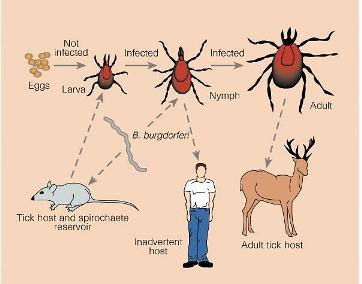
The Risk Of Nerve Damage From Tick Bites


Today's post from fox43.com (see link below) is yet another salutary warning about the dangers of tick bites and how they can cause neuropathy (amongst other significant problems). The problem is that the numbers of neuropathy patients who have contracted it via Lyme disease is growing every year. This is maybe due to increases in tick populations, or an increase in the numbers of people being properly diagnosed  but either way the message is clearly not getting through to enough people. By using the search facility to the right of this blog (type in 'lyme disease' or 'ticks'), you will learn more about the problem and about ways to avoid it but if you read this, at least pass on the information to others you know - forewarned is forearmed!

Lewistown mom battles Lyme Disease, thousands show support on social media
Posted 10:20 PM, May 5, 2015, by Kara Duffy

LEWISTOWN, Pa. — Michelle Wilson knows firsthand just how life changing a single tick bite can be.

“’When I was a kid, you didn’t have to worry about ticks. We rolled down the hill, we played in the woods for hours and now it’s like you’ve got to keep your kid in a bubble; you’re afraid for them to go out and play in the yard because it is life changing,” Wilson said.

Her life changed four years ago. That’s when the mom of two from Lewistown first realized something wasn’t right.

“I was having cold and flu like symptoms,” she said. “I was achy. I had fevers. I had lost some hearing in my left ear. I just kept going back to the same doctors and they were just like, you know, you do not have Lyme Disease; they kept telling me this.”

After more than eight months of unanswered questions, blood work finally confirmed what Wilson says she knew all along: she had Lyme Disease.

“It starts out usually with a simple antibiotic, had I had that in the beginning, you know, when I had asked for it, I wouldn’t be chronic now,” she said.

Wilson says the pain the gotten so bad, she can no longer work.

She’s also racked up nearly $50,000 in medical bills and has had to move back in with her mom just to get by.

“I have neuropathy, which is like pins and needles feeling, burning. I have pain in my muscles, my joints; that’s probably my biggest complaint. I also have neurological and cognitive issues as well.”
Many battle Lyme Disease

Wilson isn’t alone though.

Thousands of people, including celebrities like pop singer Avril Lavigne, are battling the disease every day and now people are turning to social media to show their support, one lime at time.

It’s all part of the Lyme Disease Challenge and here’s how it works:

First, get a lime.

Then take a big bite out of it.

Share a fact about the disease or make a donation to research and finally post your video or picture online, challenging others to do the same.

The challenge couldn’t come at a better time.

A new study by the Department of Environmental Protection shows that deer ticks, the primary carriers of Lyme Disease, have now been found in all 67 counties across the Commonwealth, putting everyone at risk.

“April into May is when we will start to see the cases and typically we start to see the rashes first and then all through the summer,” said Dr. Deborah Riley.

Riley is the Chair of Infection Control and associate Medical Director for Quality at Lancaster General Hospital.

She says the symptoms of Lyme Disease can vary from fever and headaches to muscle aches and joint pain but perhaps the most common sign is a red rash.

“It typically has a bullseye where it has a darker red section in the middle and then an expanding red area,” she said.

Dr. Riley says the best way to prevent the disease is to avoid getting a tick bite in the first place.

“If you are out in the woods or live in a wooded area, do what we call a tick check on a regular basis where you go over your body, your children`s body, your spouse`s body and look for ticks anywhere,” she said.

The Wilson family says, they hope by raising awareness, no other family will have to know the pain of Lyme Disease.

“I worry every day,” said Joyce Wilson, Michelle’s mom. “I see little kids playing in the yard or sitting at ballgames and I just want to go over and yell ‘get up’ because I know what that single little tick bite can do.”

http://fox43.com/2015/05/05/lewistown-mom-battles-lyme-disease-thousands-show-support-on-social-media/

Wednesday, May 31, 2017

Are Headaches A Sign Of Pregnancy


Cervicogenic Headache Symptoms

Cervicogenic Headache Symptoms


Why should I sign up for WebMD? With a WebMD Account you can: Track your way to weight loss success; Manage your family's vaccinations; Join the conversation.View the latest health news and explore articles on fitness,t, nutrition, parenting, relationships, medicine, diseases and healthy living at CNN Health.. Diabetic Complications :: symptoms of adult diabetes - The 3 Step Trick that Reverses Diabetes Permanently in As Little as 11 Days.[ DIABETIC COMPLICATIONS . Diabetes And Pregnancy Symptoms ::The 3 Step Trick that Reverses Diabetes Permanently in As Little as 11 Days.[ DIABETES AND PREGNANCY SYMPTOMS ] The REAL .OnHealth. onhealth.com - Owned and Operated by WebMD and part of the WebMD Network. Please visit us at MedicineNet.com for healthy living information..Other medical and health news. First study to link antibiotic resistance with exposure to the disinfectant chlorhexidine Telemedicine, in addition to clinical care .Diabetes Association Of Atlanta Treatment Diabetes Alternative Diabetes Treatment Diabetes Association Of Atlanta ::The 3 Step Trick that Reverses Diabetes .What Causes Gestational Diabetes During Pregnancy What Causes Gestational Diabetes During Pregnancy :: what to know about diabetes - The 3 Step Trick that .Diabetic Daily Nutrition Chart Treatment Diabetes Alternative Diabetes Treatment Diabetic Daily Nutrition Chart ::The 3 Step Trick that Reverses Diabetes .Diabetes Research Essay Treatment Diabetes Alternative Diabetes Treatment Diabetes Research Essay ::The 3 Step Trick that Reverses Diabetes Permanently in .


Cervicogenic Headache Symptoms

Cervicogenic Headache Symptoms

What People See With Astigmatism

What People See With Astigmatism


Why should I sign up for WebMD? With a WebMD Account you can: Track your way to weight loss success; Manage your family's vaccinations; Join the conversation.Other medical and health news. First study to link antibiotic resistance with exposure to the disinfectant chlorhexidine Telemedicine, in addition to clinical care . Diabetes And Pregnancy Symptoms ::The 3 Step Trick that Reverses Diabetes Permanently in As Little as 11 Days.[ DIABETES AND PREGNANCY SYMPTOMS ] .Diabetic Daily Nutrition Chart Treatment Diabetes Alternative Diabetes Treatment Diabetic Daily Nutrition Chart ::The 3 Step Trick that Reverses Diabetes .Diabetes Association Of Atlanta Treatment Diabetes Alternative Diabetes Treatment Diabetes Association Of Atlanta ::The 3 Step Trick that Reverses Diabetes .Diabetes Research Essay Treatment Diabetes Alternative Diabetes Treatment Diabetes Research Essay ::The 3 Step Trick that Reverses Diabetes Permanently .View the latest health news and explore articles on fitness,t, nutrition, parenting, relationships, medicine, diseases and healthy living at CNN Health..What Causes Gestational Diabetes During Pregnancy What Causes Gestational Diabetes During Pregnancy :: what to know about diabetes - The 3 Step Trick that . Diabetic Complications :: symptoms of adult diabetes - The 3 Step Trick that Reverses Diabetes Permanently in As Little as 11 Days.[ DIABETIC .OnHealth. onhealth.com - Owned and Operated by WebMD and part of the WebMD Network. Please visit us at MedicineNet.com for healthy living information..


Sunday, May 14, 2017

Nerve Damage Patients Need To Be Aware Of Fake Neuropathy News


Today's short post (see link below) looks at the current internet trend of tricking readers into thinking you're a serious information-providing site about neuropathy and then hitting you with the hard sell at the end. It's clever and insidious and is part of the advertising pyramid that seeks to take our last cents and convince us that they're doing us a favour by doing it.


Fake News Hits The Neuropathy Web
27th February 2017 Dave R.

I'm constantly looking for articles with information that may be of benefit to people living with nerve damage (neuropathy) but rejecting those that involve advertising a product or service. There are various 'newspaper' sites and blogs available (like mine) that attempt to do this on a daily basis but because they tend to rely on search bots, they trawl and publish articles that are actually subtly-constructed advertisements. The titles and 70% of the content seem completely convincing and are often helpful in the information they provide but their intentions are a little more devilish than that. Having hooked the readers into believing they're reading a genuine information article about their medical problem, they then launch the hard-sell and promote their own product and/or service. Already convinced, the reader takes the next logical step and reaches for their credit card.

Naturally, the worst are those that suggest they have a 'cure' for neuropathy - believe me, they don't...there is no cure currently for neuropathy! The best we can hope for is temporary relief from the symptoms, so if you see the word 'cure' in their text; treat the article with enormous skepticism because it's Trumpist 'fake news'!

Many commercial sites are extremely subtle in their approach. They have a product and/or treatment that may indeed help alleviate your symptoms. There's nothing wrong with what they say and they are not providing untruths. What they are doing is selling a product or service, to people who are desperate for any form of relief and those people are the most vulnerable to sales patter. If what they offer seems reasonable to you, do your own research to see if you can do it yourself but much cheaper. For instance, many products that claim to improve neuropathy symptoms long term, contain combinations of recognised vitamins, minerals, anti-oxidants, herbs which you can easily buy for yourself at a much cheaper rate. Of course there's convenience in buying something in one 'packet' so to speak (multivitamin tablets are a very successful case in point) but before you shell out your hard-earned cash, make sure you know exactly what you're buying and what it contains or entails. Let the buyer beware! A little research can lighten the load on your wallet (as well as increasing your knowledge base substantially).

The basic message here is: take every promise with a pinch of salt; be hyper critical of what's on offer and armed with as many facts as you can find, make a decision based on what's best for you and not what the advertiser tells you is best. Applies to everything in life doesn't it but we're a vulnerable market. We live daily with sometimes unbearable symptoms and we're 'open' for the next 'best thing' and will seize on exaggerated promises as if they're an oasis in the desert.

Of course there are genuine clinics and practices out there and genuine supplements and alternative therapies and treatments and you may benefit greatly from what they offer but please be a critical consumer - if they want money from you, they're going to exaggerate their claims - it's the name of the game. However, neuropathy patients are used to disappointments and can never say that 'if one thing works for him or her, it's bound to work for me' - it doesn't - neuropathy's too individual and unique to each patient for that, so we have to take responsibility for our own treatment. It's a minefield unfortunately but we need to sort out the wheat from the chaff and reject those who are only interested in emptying our wallets. Desperate patients will clutch at straws (nobody knows that better than the long-term nerve pain sufferer) but we deserve better than to be seduced by sly and clever advertising jargon. It's up to you. If you don't buy into it, it will go away and you'll be doing a service for the rest of the community.


Good luck
Dave R.